Hair Care Essentials
Discover the essential hair care basics for maintaining healthy, strong, and vibrant hair. Learn how to identify your hair type, choose suitable products, cleanse and moisturize your hair correctly, and avoid common habits that cause damage. The guide also covers care routines for dry and oily hair, the role of nutrition in hair health, and practical tips for reducing breakage and hair loss.
16.09.2026
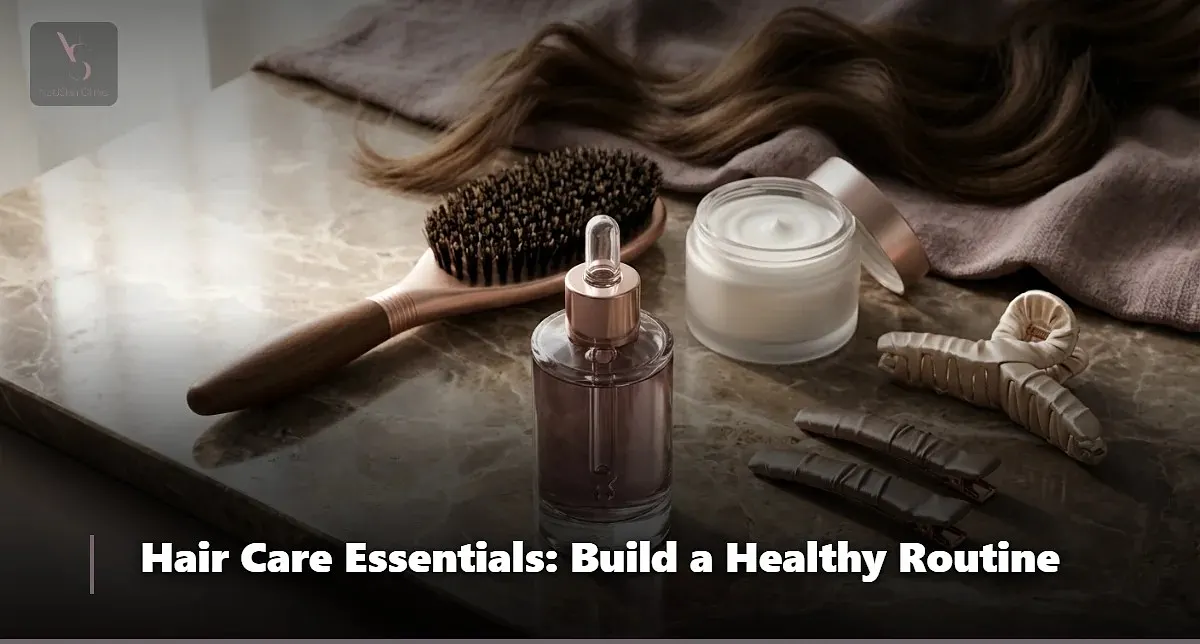
Understanding the real hair care essentials is the foundation of any successful routine — and yet most people skip straight to buying products without knowing what their hair actually needs. The truth is that healthy hair starts with consistent habits, not expensive bottles. Get the basics right, and everything else follows naturally.
At NuSkin Clinic, a leading name in skin and hair care, the approach has always been rooted in education first. Whether you're dealing with dryness, breakage, or seasonal damage, understanding what your hair needs is the most powerful step you can take. The skin and hair care team there will tell you the same thing: knowledge before products, always.
What Are Hair Care Essentials?
Hair care essentials are the non-negotiable practices and principles that keep your hair in its healthiest state — regardless of your hair type, texture, or lifestyle. They aren't a rigid product list. They're a framework: cleanse, condition, moisturize, protect, and nourish. Each pillar supports the others, and skipping any one of them tends to show up as damage sooner or later.
What's interesting here is that most people think hair care is reactive — you treat a problem after it appears. But the whole point of mastering these essentials is that you prevent the problem from forming in the first place. Breakage, frizz, excessive shedding — these are almost always the result of neglecting a routine that should have been consistent weeks or months earlier.
The Importance of Hair Care
Your hair is a direct reflection of your overall health, but it's also incredibly vulnerable to environmental and chemical stress. Every day, your strands face UV exposure, friction, heat styling, hard water, and pollution. Without a proper care strategy, these stressors compound — and what starts as a little dullness becomes serious damage.
Beyond appearance, healthy hair contributes to genuine confidence. There's real psychological weight to how your hair looks and feels. Taking care of it isn't vanity — it's self-respect. The NuSkin Clinic skin and hair care philosophy treats hair health as an extension of overall wellbeing, not a cosmetic afterthought.
.webp)
Knowing Your Hair Type and Nature
Before buying a single product, you need an honest understanding of your hair type. Is it naturally oily or dry? Fine and prone to breakage, or thick and coarse? Does it curl tightly, wave loosely, or fall straight? Each answer changes your routine significantly. Using a rich, heavy conditioner on fine oily hair, for example, will weigh it down and make it greasier by midday.
Porosity is another factor most people overlook entirely. High-porosity hair absorbs moisture quickly but loses it just as fast — so it needs sealants like oils or butters after conditioning. Low-porosity hair resists moisture absorption and needs heat or steam to open the cuticle. Knowing this isn't complicated, but it changes everything about how you care for your strands.
Factors That Affect Hair Health
- Hormonal changes — Pregnancy, menopause, thyroid disorders, and hormonal imbalances directly affect hair growth cycles and can trigger significant shedding or texture changes.
- Diet and nutrition — Hair is made of keratin, a protein. Deficiencies in iron, biotin, zinc, and vitamins D and B12 are among the most common nutritional triggers of hair thinning.
- Stress levels — Chronic stress pushes hair follicles into a resting phase prematurely, leading to a condition called telogen effluvium — sudden, diffuse hair loss that usually appears two to three months after the stressful event.
- Heat and chemical treatments — Repeated bleaching, coloring, relaxing, and heat styling weaken the hair's protein structure over time, leading to brittleness and breakage.
- Environmental exposure — Sun, wind, chlorine, and saltwater all degrade the hair cuticle. Summer hair care deserves special attention for this reason, as prolonged sun and swimming exposure can cause rapid moisture loss.
- Scalp health — An unhealthy scalp — whether too oily, too dry, or inflamed — is one of the most overlooked root causes of poor hair quality. Hair literally grows from the scalp; its health directly determines what comes out.
Daily Hair Care Steps
A consistent daily routine doesn't have to be complicated. The goal is to protect what's there, support growth at the root, and minimize unnecessary damage throughout the day.
Washing Hair the Right Way
Most people wash their hair far too often — or not nearly enough. The right frequency depends on your scalp type, but a useful starting point is every two to three days for most hair types. When you do wash, focus the shampoo on the scalp rather than the lengths. The lengths get clean simply from the rinse-off. Scrubbing the ends of your hair with shampoo strips them of essential moisture and accelerates split ends.
Water temperature matters more than people realize. Hot water opens the cuticle aggressively and strips the scalp's natural oils. Rinsing with cool or lukewarm water after conditioning seals the cuticle, locks in moisture, and adds visible shine.
Choosing the Right Shampoo
The shampoo aisle is genuinely overwhelming, but the decision simplifies once you understand your scalp's needs. Sulfate-free formulas are gentler and appropriate for dry, color-treated, or chemically processed hair. Scalps that are oily or prone to buildup can often tolerate clarifying shampoos — but only used occasionally, not daily.
Check the first five ingredients before buying anything. Those are the ones present in the highest concentrations and the ones that will do the most work — or the most damage — on your hair.
Using Conditioner
Conditioner is non-negotiable. It restores the moisture and smoothness that shampooing removes, reduces friction between strands, and makes detangling significantly easier. Apply it from mid-length to the ends, not directly on the scalp. Leave it on for at least two minutes — longer if your hair is dry or damaged — before rinsing thoroughly.
For those dealing with hair care for split ends and hair loss, a weekly deep conditioning treatment is one of the most effective interventions available at home. It won't repair split ends that already exist, but it dramatically reduces the rate at which new ones form.
Moisturizing Hair Regularly
Leave-in conditioners, hair oils, and moisture sprays are your tools for keeping hair hydrated between wash days. The LOC method — liquid, oil, cream — is a popular layering approach that works particularly well for dry and curly hair types. Apply a water-based product first, seal with a light oil, then lock everything in with a cream or butter.
Regular moisturizing is especially important during summer hair care routines. Heat and sun exposure increase transepidermal water loss from the hair shaft, leaving strands brittle and prone to snapping. A UV-protective leave-in spray or a light oil applied before sun exposure can make a meaningful difference.
Detangling Hair Properly
Start detangling from the ends, working upward toward the roots — never the reverse. Yanking a brush from root to tip through knots causes unnecessary breakage and pain. Use a wide-tooth comb on wet hair and a paddle brush or boar bristle brush on dry hair. Never detangle bone-dry hair without some kind of slip product; the friction is damaging.
How to Choose Hair Care Products
Before committing to a product, ask yourself three questions: What does my scalp need? What do my lengths and ends need? Are these the same answer or different? Often they're not — and that's completely normal. Your scalp might be oily while your ends are parched, which means you need a balancing shampoo at the root and a deeply moisturizing conditioner at the tips.
Avoid products with a long list of alcohols in the first few ingredients, as these can be drying over time. Look instead for humectants like glycerin and hyaluronic acid, which draw moisture into the hair shaft. At NuSkin Clinic's skin and hair care consultations, product selection is always personalized — because what works beautifully for one person can be entirely wrong for another.
Care for Dry Hair
Causes of Dry Hair
Dry hair is almost always the result of a compromised cuticle — the outermost layer of the hair shaft — that can no longer retain moisture effectively. This can stem from over-washing, excessive heat styling, harsh chemical treatments, hard water, or simply genetics. Environmental factors play a role too; dry climates and heavy sun exposure accelerate cuticle damage significantly.
It's worth understanding that dryness and damage, while related, aren't identical. Dry hair lacks moisture. Damaged hair has a structurally weakened protein matrix. They often appear together, but treating one requires a slightly different approach than treating the other.
Best Ways to Moisturize Dry Hair
Protein-moisture balance is the key concept for dry hair recovery. If hair is purely dry without significant damage, moisture-focused treatments — masks rich in shea butter, aloe vera, or honey — work well. If damage is also present, alternating protein treatments with moisture treatments helps rebuild structure while keeping strands hydrated.
Oils like argan, jojoba, and sweet almond are excellent for sealing moisture into dry hair after conditioning. Apply them to slightly damp hair for the best absorption. Sleeping on a silk or satin pillowcase reduces friction overnight and helps dry hair retain moisture between wash days.
Care for Oily Hair
Causes of Excess Oil Production
The scalp's sebaceous glands produce sebum — a natural oil that protects and conditions the scalp and hair. When these glands overproduce, hair becomes greasy quickly. Hormonal fluctuations, genetics, overwashing (which triggers a compensatory oil surge), and touching the scalp frequently are all common contributors to excess oil.
Here's the thing most people don't realize: the harder you scrub your scalp in an attempt to remove oil, the more oil your scalp tends to produce in response. The scalp reads aggressive cleansing as a signal to ramp up sebum production — the opposite of what you want.
Mistakes to Avoid with Oily Hair
One of the biggest mistakes is reaching for dry shampoo every day as a substitute for washing. Dry shampoo absorbs oil visually but doesn't cleanse — and product buildup on the scalp over time can clog follicles and disrupt healthy growth. Use it occasionally, not as a daily fix.
Another common error is applying conditioner directly to the scalp. This adds unnecessary weight and oil to an already oily base. Keep conditioner strictly to the mid-lengths and ends, and consider a scalp tonic or lightweight scalp serum as a targeted treatment instead.
The Role of Nutrition in Hair Health
No topical product in the world can substitute for what proper nutrition does for your hair from the inside out. Hair follicles are among the most metabolically active cells in the body — they need a constant, rich supply of vitamins, minerals, and amino acids to function properly. Iron deficiency is one of the most common — and most commonly missed — causes of hair loss in women, particularly in their thirties and forties.
Protein intake matters enormously, since hair itself is approximately 95% keratin protein. Diets consistently low in protein lead to weaker, thinner strands and increased shedding. Omega-3 fatty acids — found in fatty fish, walnuts, and flaxseeds — support scalp health and reduce inflammation that can impair follicle function. A well-rounded diet rich in leafy greens, eggs, legumes, and healthy fats is arguably the most powerful long-term hair care tool available.
.webp)
Common Hair Care Mistakes
- Washing hair with excessively hot water, which strips natural oils and dehydrates the scalp
- Skipping conditioner because hair feels oily at the roots
- Brushing wet hair aggressively without using a detangling product or wide-tooth comb
- Using heat tools on hair that hasn't been protected with a heat protectant spray
- Tying hair in tight styles daily, which causes traction alopecia over time
- Ignoring the scalp entirely and focusing all care on the hair lengths
- Changing products every few weeks without giving any formula time to show results
- Neglecting summer hair care during peak sun and swimming months
Tips for Maintaining Healthy Hair
- Trim your hair every eight to twelve weeks to remove split ends before they travel up the shaft and cause more extensive breakage.
- Always apply a heat protectant before using a blow dryer, flat iron, or curling wand — no exceptions.
- Protect hair from sun exposure during summer by wearing a hat, using UV-protective hair products, or applying a light oil before going outdoors.
- Massage your scalp for three to five minutes daily to stimulate blood circulation and support healthy follicle activity.
- Drink enough water — hydration affects every cell in the body, including the cells that produce hair.
- Reduce tension in hairstyles; opt for loose braids or scrunchies instead of tight elastics.
- If you're experiencing significant hair loss or thinning, consult a specialist rather than self-diagnosing — the team at NuSkin Clinic's skin and hair care department can help identify the root cause.
Frequently asked
What Are the Most Important Hair Care Essentials for Beginners? +
If you're starting from scratch, focus on three things: a gentle shampoo suited to your scalp type, a good conditioner used consistently on the mid-lengths and ends, and a leave-in or oil to lock in moisture after washing. Understanding the real hair care essentials means building habits before buying products — learn your hair type, establish a washing frequency that works for your scalp, and protect your hair from heat before you add anything else to the routine.
How Does Summer Heat Affect Hair Health and What Can I Do About It? +
Summer is genuinely hard on hair. UV radiation degrades melanin and weakens the protein bonds in the hair shaft, while saltwater and chlorine strip the cuticle of moisture and leave it rough and porous. Summer hair care should include UV-protective products, rinsing hair with fresh water before swimming, and deep conditioning at least once a week during the warmer months. A wide-brimmed hat is the simplest and most effective protective tool you own.
What Is the Best Way to Deal with Split Ends and Hair Loss at Home? +
For split ends, the only real solution is trimming — no product seals them permanently. However, consistent deep conditioning, reducing heat styling, and sleeping on a silk pillowcase significantly slow the rate of new split ends forming. For hair loss, the approach depends entirely on the cause. Nutritional deficiencies, hormonal shifts, and stress-related shedding each require a different response. Proper hair care for split ends and hair loss means addressing both the symptom and the underlying trigger — which is exactly why professional guidance from a place like NuSkin Clinic makes such a difference.