The Best Ways to Minimize Enlarged Pores on the Face
Discover the causes of large pores on the face, ways to minimize their appearance based on your skin type, and the best ingredients and treatments available at clinics to achieve smoother skin.
22.10.2026
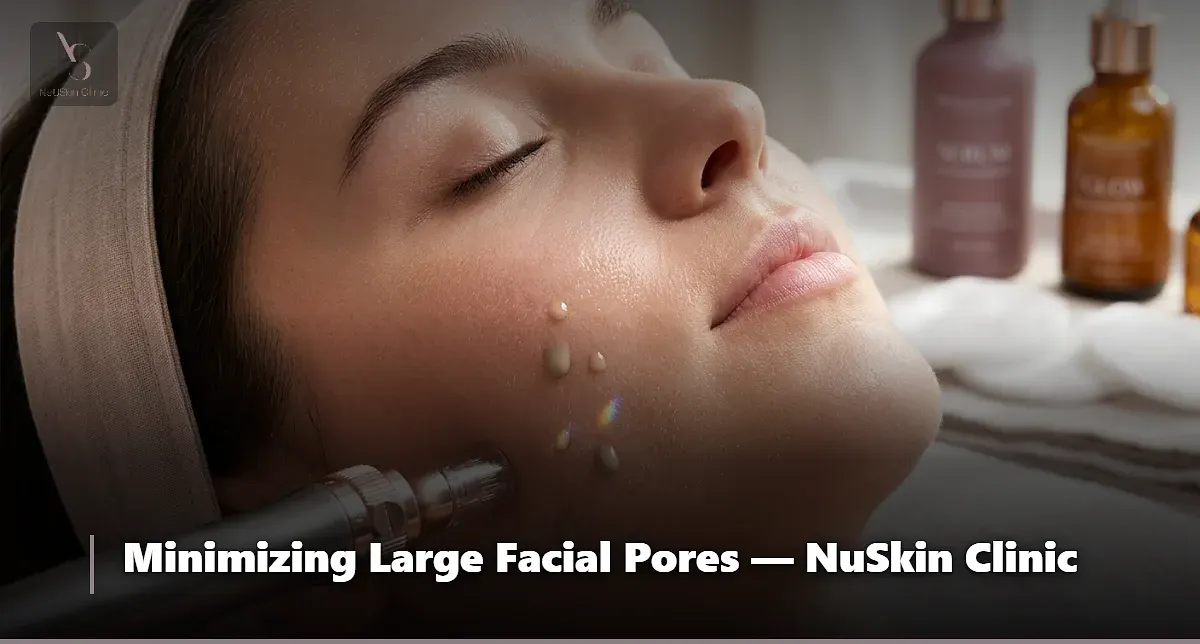
If you've ever looked closely in the mirror and felt frustrated by the visible craters dotting your nose, cheeks, or forehead, you're not alone. Minimizing large facial pores is one of the most common concerns people bring to skin professionals — and for good reason. Those tiny openings can make skin look rough, dull, and older than it really is, even when you're otherwise diligent about your routine.
Here at NuSkin Clinic, our skin and hair care service team works with clients every single day who want real, lasting answers — not just quick fixes from a bottle. This article breaks down exactly what enlarged pores are, why they develop, and what the most effective treatments look like, both at home and in a professional clinic setting.
What Are Large Facial Pores?
Pores are tiny openings in the skin's surface that serve a genuinely important purpose: they allow sebum (your skin's natural oil) to rise from the sebaceous glands and reach the surface, where it keeps skin moisturized and protected. Every single pore is also connected to a hair follicle, which is why they're distributed across virtually every part of the body.
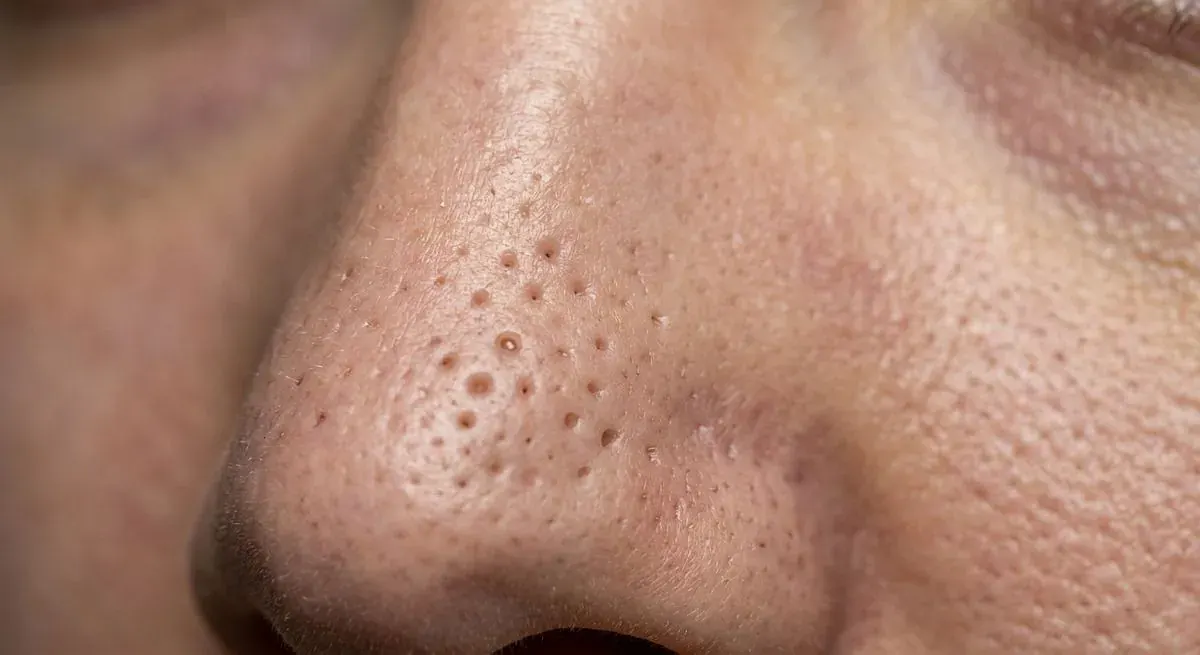
When people talk about visible or enlarged pores, they're describing pores that have stretched beyond their normal, barely-visible size. This happens when the walls of the pore lose elasticity, when excess sebum accumulates inside, or when debris and dead skin cells cause the opening to expand outward. The result is a surface texture that looks uneven and rough — something that no amount of makeup can fully conceal long-term without proper skin care underneath.
What's interesting here is that pore size has a genetic component that's often underestimated. Some people are simply born with naturally larger pores, which means they need a more consistent and targeted approach to keep them looking tight and smooth.
Causes of Enlarged Pores
- Excess sebum production — oily skin types generate more oil, which continuously stretches the pore walls from the inside out.
- Loss of skin elasticity — as collagen breaks down with age, the tissue surrounding each pore becomes less firm, allowing it to sag and widen.
- Sun damage — UV exposure degrades collagen and thickens the outer layer of skin, making pores appear significantly larger.
- Clogged pores — when dead skin cells and oxidized sebum pack into the pore opening, they create a plug that stretches the walls.
- Poor skincare habits — skipping cleansing, using comedogenic products, or over-moisturizing without proper exfoliation all contribute to pore enlargement over time.
- Hormonal fluctuations — testosterone and other androgens stimulate oil glands, which is why teenagers and people with hormonal imbalances tend to notice more visible pores.
The Most Common Areas Where Large Pores Appear
Not all areas of the face are created equal when it comes to pore
visibility. The T-zone — the forehead, nose, and chin — contains the highest concentration of sebaceous glands per square centimeter, which means this is where you'll almost always see the most prominent pores. The nose in particular tends to be the most problematic spot, simply because the sebaceous glands there are larger and more active than anywhere else on the face.
The cheeks are another frequent trouble zone, especially in people with oily or combination skin. Understanding how to care for combination skin is genuinely important here, because treating the cheeks the same way you treat the T-zone can lead to over-drying in some areas while leaving others still congested. A customized approach to different skin types and their care is always more effective than a one-size-fits-all routine.
Around the jawline and temples, pores can also become more visible due to hormonal activity — particularly during menstrual cycles or periods of high stress. These areas respond well to consistent cleansing and targeted treatments, but they're often neglected in favor of focusing only on the nose and forehead.
Can Large Pores Be Permanently Closed?
Here's the thing that many people don't want to hear: pores cannot be permanently closed. They are living structures with a biological function, and permanently sealing them would actually cause significant harm to your skin's health. What you can do — and what genuinely works — is minimize their appearance so dramatically that they become nearly invisible to the naked eye.
The distinction matters because it shapes your expectations and your approach. When you understand that the goal is reduction rather than elimination, you stop chasing miracle products and start building a real skin and hair care routine that delivers consistent, cumulative results. Over weeks and months of correct skincare steps, the difference is remarkable.
The good news is that with the right combination of at-home care and professional treatments at a clinic like NuSkin Clinic, you can keep pores looking consistently tight and smooth. Consistency is everything. Skipping days or swapping products constantly will always undermine your progress.
Learn how to choose the best skin care clinic and its services
The Difference Between Large Pores and Clogged Pores
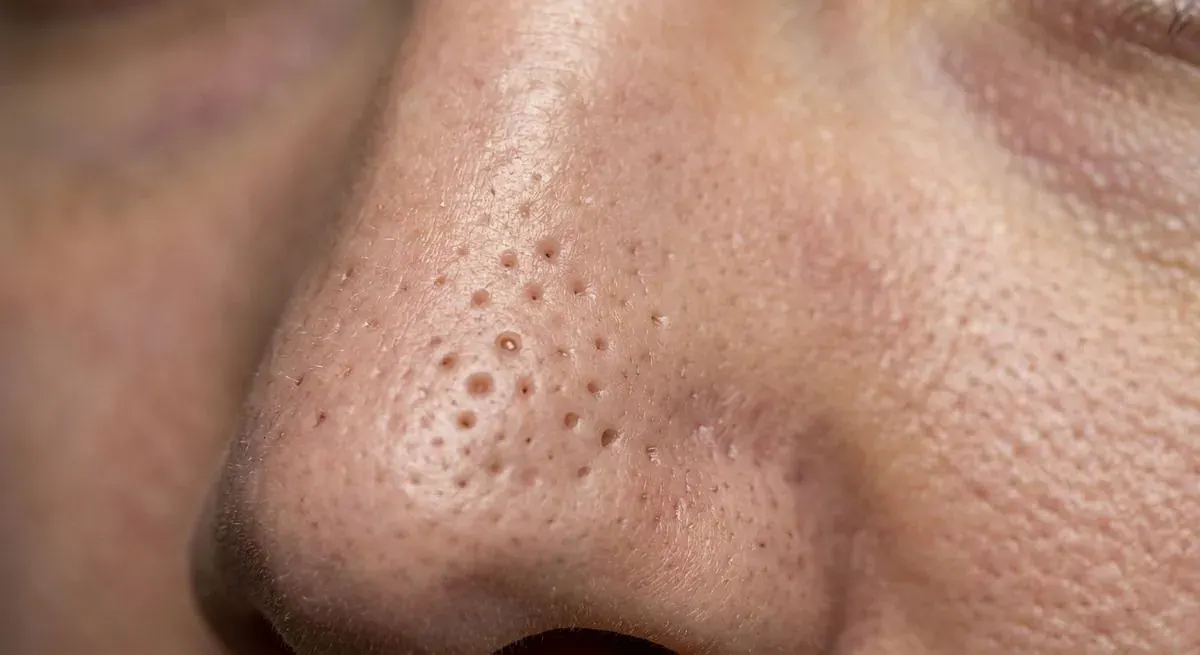
Most people use these terms interchangeably, but they describe two different things — and confusing them leads to the wrong treatment approach. Large pores refer to the size and diameter of the pore opening itself. Clogged pores, on the other hand, refer to what's inside that opening: a mixture of sebum, dead skin cells, and sometimes bacteria that has become compacted and stuck.
That said, the two conditions are closely linked. Clogged pores can
stretch over time and become large pores if left untreated. And removing acne marks left behind from breakouts — which often develop when clogged pores become inflamed — requires a different set of treatments than simply tightening a pore's appearance. Knowing which problem you're dealing with helps you target it correctly.
Full body skin cleansing and thorough facial cleansing both play a role here. A blocked pore on your back or chest follows the same basic biology as one on your face, and neglecting any area can allow issues to compound over time.
Why Facial Pores Become Enlarged — A Deeper Look
- Chronic dehydration of the skin — when skin lacks moisture, it overproduces oil to compensate, leading to constant pore congestion and stretching.
- Heavy or pore-blocking products — thick creams, certain silicone-based primers, and non-comedogenic-labeled products that still trigger reactions in sensitive skin types.
- Aggressive scrubbing — paradoxically, over-exfoliating damages the skin barrier and triggers excess sebum production, worsening the very problem it's meant to solve.
- Skipping SPF — daily sun protection is non-negotiable because UV damage directly degrades collagen, the structural protein that keeps pore walls firm.
- Diet and gut health — high-glycemic diets and dairy consumption have been linked in multiple studies to increased sebum production and acne-related pore enlargement
- Infrequent cleansing — going to bed without removing makeup, SPF, and daily pollution buildup is one of the fastest ways to develop chronically enlarged pores.
How to Minimize Large Facial Pores
Reducing large pores on the face starts with understanding skin types and caring for them properly. Oily skin needs light, oil-free products, while dry skin requires adequate hydration to prevent the skin from compensating for dryness by producing excess oil. A mistake in this simple equation undermines all your efforts.
Beyond cleansing, regular chemical exfoliation is the single most
impactful at-home step. Ingredients like salicylic acid work inside the pore itself, dissolving the sebum and dead cell buildup that causes stretching. Glycolic acid and other AHAs work at the surface to improve skin texture and stimulate collagen, which tightens the skin around each pore. Used two to three times per week, these acids can dramatically change the appearance of skin over a period of four to eight weeks.
The Korean skincare approach to routine-building — which emphasizes layering lightweight, hydrating products rather than one heavy moisturizer — has shown remarkable results for people with enlarged pores. When skin is properly hydrated, it produces less compensatory oil, which directly reduces the pressure inside each pore and allows walls to contract naturally over time.
Cleansing Skin the Right Way
The correct skincare steps for cleansing go beyond just splashing water on your face. Double cleansing — an oil-based cleanser first, followed by a water-based cleanser — is particularly effective for anyone wearing SPF or makeup, because an oil-based first step dissolves product residue that water alone can never fully remove. This two-step approach is a cornerstone of proper skin care for oily and combination skin types alike.
Water temperature matters more than most people realize. Very hot water dilates pores and strips lipids from the skin, leaving it vulnerable and reactive. Lukewarm water is always the right choice — it's effective at loosening debris without causing damage. Finishing with a cool water rinse can help temporarily tighten the pore opening and calm any redness from the cleansing process.
Patting skin dry with a clean, soft towel — never rubbing — and immediately applying the next step in your routine (usually a toner or essence) before skin fully dries helps lock in hydration and keeps the skin barrier intact.
The Best Ingredients for Reducing Pore Appearance
Retinol is arguably the gold standard ingredient for wide pore treatment. It accelerates cell turnover, stimulates collagen production, and reduces sebum output at the cellular level — addressing three of the main drivers of enlarged pores simultaneously. It takes time (typically eight to twelve weeks for visible results), but nothing over-the-counter comes close to matching its cumulative impact on skin texture.
Hydroxy acids, such as AHAs and BHAs, are powerful tools for treating enlarged pores on the face, as they dissolve dead skin cells and prevent their buildup. Getting rid of acne scars is also linked to these same ingredients, as they help even out skin tone and reduce superficial scarring. Choosing the right ingredient depends on first determining your skin type.
Minimizing Large Pores Based on Your Skin
Type
Not everyone should approach enlarged pores the same way — skin types and their care genuinely require different strategies. For oily skin, the priority is controlling sebum production without over-stripping, which means using lightweight, non-comedogenic moisturizers and oil-controlling serums alongside exfoliating acids. The goal is balance, not dryness.
For combination skin, understanding how to care for combination skin means treating the T-zone and cheeks differently. The oily zones may need salicylic acid and clay treatments, while drier areas of the cheeks need richer hydration and barrier support. Using the same product across the entire face often overcorrects one area while under-treating another.
Dry and sensitive skin types can still develop enlarged pores — usually from congestion rather than excess oil. The approach here focuses on gentle, enzymatic exfoliation rather than strong acids, alongside intensive hydration to prevent the compensatory oil surge that makes pores more visible. Visiting a skin care clinic for personalized advice is particularly valuable for sensitive skin types who risk making things worse with self-prescribed treatments.
For personalized care tailored to your skin’s needs, explore our skin treatments at Neuskin to discover suitable options based on your skin’s condition and concerns.
In-Clinic Treatments for Enlarged Pores
For people who want faster, more significant results than at-home
routines can deliver, professional treatments at NuSkin Clinic represent the most effective path forward. Laser resurfacing treatments — particularly fractional lasers — target the dermis and stimulate a controlled collagen response that physically tightens the tissue surrounding each pore. The results are often visible after a single session, with progressive improvement over the following months.
Chemical peels performed by trained professionals use concentrations of AHAs and BHAs far beyond what's available over the counter, delivering deep exfoliation and skin renewal that dramatically reduces pore visibility. Combined with medical-grade facials and extraction treatments, they address both the surface texture and the underlying congestion that causes enlarged skin pores treatment to feel so challenging at home.
Microneedling is another clinic favorite — fine needles create controlled micro-injuries in the skin that trigger a powerful collagen and elastin response, firming the tissue around each pore and improving overall skin density. It also enhances the absorption of topical treatments applied immediately after, compounding the benefit of every product in your skin and hair care routine.
Frequently asked
Can Large Facial Pores Be Permanently Closed? +
No — and anyone who tells you otherwise is misleading you. Pores are permanent structures of the skin that serve a vital biological function. What is absolutely achievable, however, is minimizing large facial pores to the point where they are barely visible, even without makeup. This is accomplished through a combination of consistent at-home care using the right ingredients and professional treatments at a skin care clinic like NuSkin Clinic. Results build over months, not days, which is why committing to a proper routine is the real secret.
What Is the Best Skincare Routine for Wide Pores? +
The most effective routine for enlarged skin pores treatment includes a gentle double cleanse morning and evening, a BHA (salicylic acid) exfoliant used several times per week, a niacinamide serum applied daily, and SPF every single morning without exception. Weekly clay masks help control oil between your active treatment days. The correct skincare steps matter as much as the ingredients themselves — applying products in the wrong order can reduce their effectiveness significantly. A skin professional can map out the ideal sequence for your specific skin type.
Does NuSkin Clinic Offer In-Clinic Treatments for Enlarged Pores? +
Absolutely. NuSkin Clinic's skin and hair care service includes a full range of professional treatments tailored specifically to facial pore opening treatment concerns — from chemical peels and medical-grade facials to laser resurfacing and microneedling. Every treatment plan is personalized to your skin type, pore condition, and overall skin health goals. If you've been struggling to see results from at-home products alone, booking a consultation is the most practical next step you can take.