Ways to Stimulate Collagen in the Skin and Their Benefits
Learn about the importance of collagen for skin firmness and elasticity, the reasons for its decline, and the best natural methods, skincare ingredients, and in-clinic treatments to stimulate it.
25.10.2026
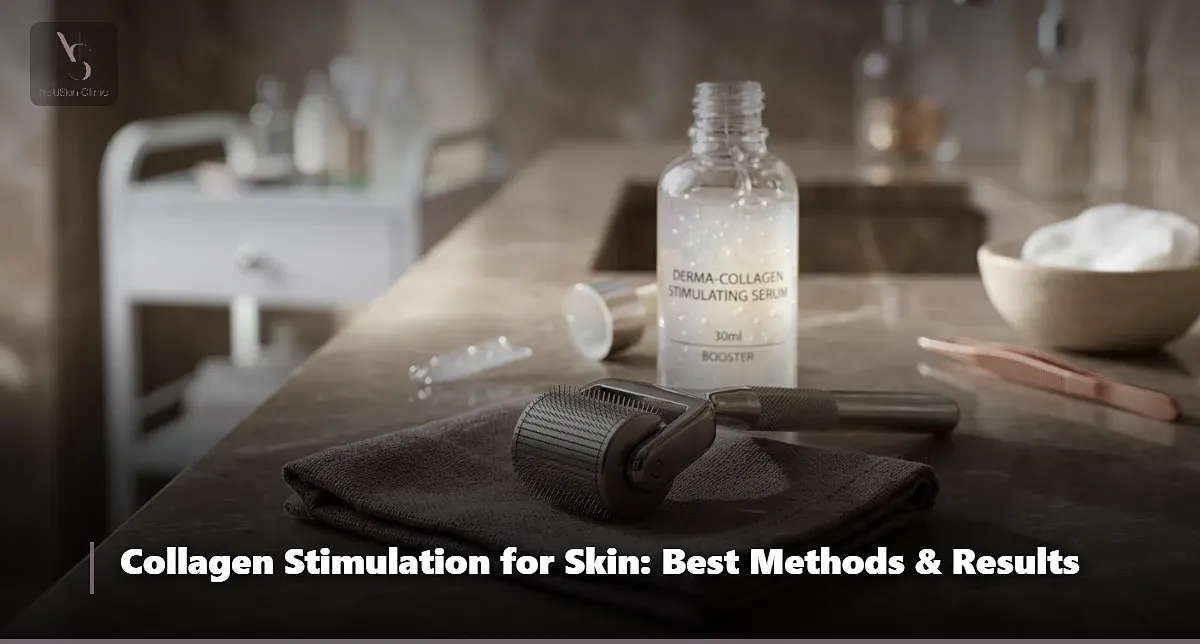
Collagen stimulation for skin is not just a buzzword floating around beauty forums — it is the biological foundation of everything we associate with youthful, healthy skin. When your skin has enough collagen, it bounces back, stays plump, and holds its structure.
When it doesn't, fine lines settle in, pores look larger, and that natural radiance starts to fade faster than most people expect.
At NuSkin Clinic, skin and hair care is approached with genuine clinical depth, not just surface-level solutions. Their team understands that collagen stimulation for skin is a process — not a single product or a one-time treatment — and they build personalized plans around that reality. If you have been searching for real answers and real results, you are in the right place.
What Is Collagen in the Skin?
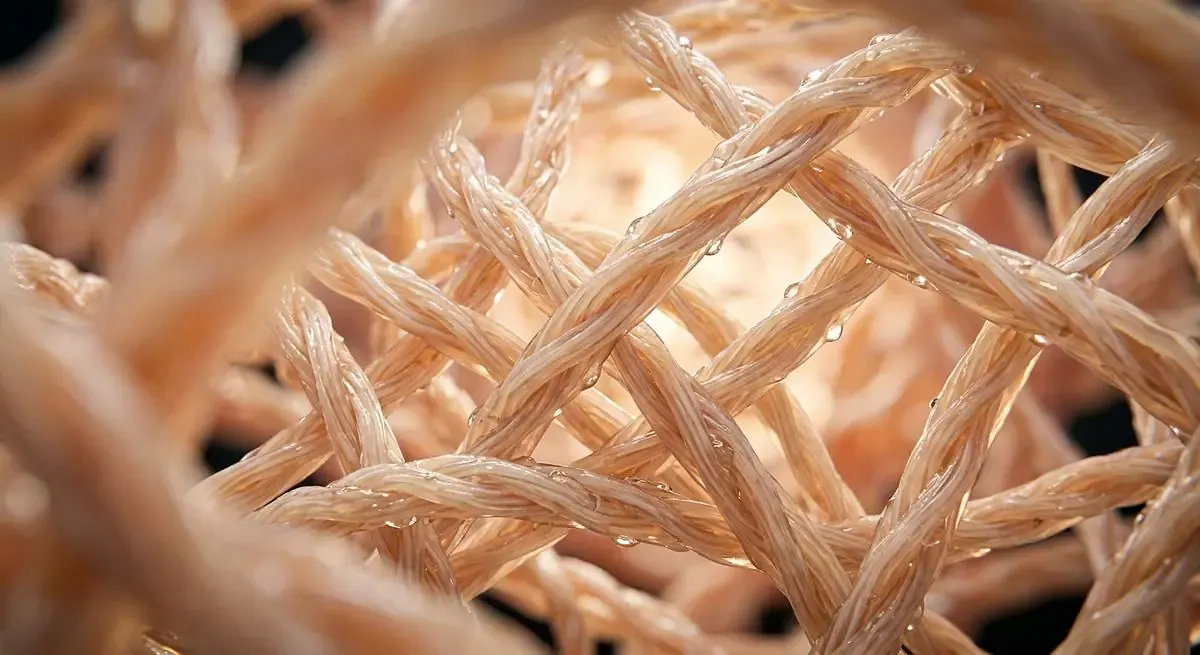
Collagen is a structural protein — the most abundant one in the human body, in fact. Think of it as the scaffolding beneath your skin's surface. It forms a dense, fibrous network in the dermis layer that keeps the skin looking full, firm, and smooth. Without it, skin loses its architectural support and begins to sag.
There are actually multiple types of collagen in the skin, with Type I and Type III being the most relevant for facial appearance. Type I is dense and gives skin its tensile strength, while Type III is more elastic and contributes to that soft, supple feel. Both decline with age, which is why understanding how to increase collagen in the face becomes such a pressing concern for many people after their mid-twenties.
What's interesting here is that collagen doesn't just affect how your skin looks — it directly impacts how your skin heals. Wounds close faster, post-acne marks fade more efficiently, and the skin's barrier function stays stronger when collagen levels are healthy.
The Importance of Collagen for Skin Health and Radiance
Facial radiance and glow are not purely about skincare products you apply on the surface. A significant part of how bright and even your complexion looks comes from the structural quality of the skin beneath. When collagen is abundant, light reflects off the skin more uniformly, and that is where the lit-from-within effect actually comes from.
Collagen also works hand-in-hand with elastin and hyaluronic acid — two other major players in skin health. Collagen provides structure, elastin provides rebound, and hyaluronic acid provides moisture retention. When these three are in balance, the correct steps for skin care you follow daily will actually deliver visible results rather than temporary fixes.
Most people overlook the connection between collagen and pore size. When collagen is strong, the skin around each pore stays taut, making them appear smaller. As collagen thins out, pores stretch and become more visible. This is one reason why clinics that specialize in skin care — including the most important skin care methods — prioritize collagen support as a foundational step.
Learn About: Skin Types and How to Care for Them
The Role of Collagen in Skin Elasticity
Here's the thing about skin elasticity that most people don't fully appreciate: it is not static. Your skin is constantly being stretched, compressed, and pulled — every time you smile, squint, or rest your face on a pillow at night. Collagen is what allows the skin to return to its original position after all of that repeated movement.
When collagen fibers are dense and well-organized, the skin snaps back quickly. When they become fragmented or sparse, the skin takes longer to recover, and eventually, it stops recovering fully.
That is when expression lines become permanent wrinkles. Increasing collagen in the face is directly tied to how well the skin can resist and recover from this daily mechanical stress.
The dermis also relies on collagen to anchor blood vessels and nerve endings properly. This means collagen quality has a downstream effect on circulation in the skin — and circulation is one of the most underrated factors in achieving real facial radiance and glow.
Causes of Declining Collagen Production
- Natural aging — from the mid-twenties onward, the body produces
- roughly 1% less collagen per year, and this rate accelerates significantly after menopause in women.
- UV radiation exposure — sun damage is one of the most destructive forces on collagen. UV rays break down existing collagen fibers and impair the skin's ability to synthesize new ones.
- Smoking — cigarette smoke introduces free radicals that attack collagen directly and also constricts blood vessels, limiting the nutrient delivery the skin needs for collagen synthesis.
- Poor diet — a lack of vitamin C, zinc, and amino acids (particularly glycine and proline) deprives the body of the raw materials needed to build collagen.
- Chronic stress — elevated cortisol levels suppress fibroblast activity, and fibroblasts are the cells responsible for producing collagen in the dermis.
- Repeated skin inflammation — untreated acne, eczema flare-ups, and other inflammatory conditions cause repeated micro-damage that depletes collagen over time.
- Sleep deprivation — the body performs the majority of its cellular repair and collagen synthesis during deep sleep, making poor sleep a surprisingly significant factor.
When Does Collagen Production Start to Decline?
The decline begins earlier than most people expect. Around age 25, fibroblast activity starts to slow, and from that point forward, the skin produces less collagen each year than it breaks down. The effects are subtle at first — a slight loss of plumpness here, a fine line there — but they accumulate steadily.
By the time someone reaches their mid-thirties, the reduction in collagen is usually visible enough that many people begin seeking out a skin care clinic for professional guidance. The difference between acting early and waiting is significant. Those who begin proactive collagen support in their late twenties tend to maintain firmness and radiance well into their forties and beyond.
For those who are further along and feel they have already lost significant ground — that is not a dead end. Treatments available at a hair and skin care center like NuSkin Clinic can meaningfully stimulate new collagen synthesis even in mature skin, reversing some of the structural changes that have already occurred.
Benefits of Collagen Stimulation for Skin
- Visibly firmer, more lifted skin texture across the cheeks and jawline
- Reduction in the depth and appearance of fine lines and wrinkles
- Improved skin bounce-back and elasticity with consistent treatment
- Smoother overall complexion and smaller-looking pores
- Faster healing of post-acne marks and surface imperfections
- Enhanced facial radiance and glow from improved internal skin structure
- Stronger skin barrier that resists environmental damage more effectively
- Better results from topical skincare products, since they penetrate healthier skin more efficiently
For healthier-looking, more radiant, and supple skin, explore Neuskin’s skin treatments to discover services tailored to your skin’s needs following a professional assessment.
How to Stimulate Collagen in the Skin Naturally
Natural collagen support starts with what you eat. Vitamin C is non-negotiable — it is a cofactor in collagen synthesis, meaning without it the body literally cannot build collagen molecules. Foods rich in vitamin C, along with bone broth, eggs, and leafy greens that provide amino acid precursors, form the dietary backbone of how to increase collagen in the face from the inside out.
Sun protection is arguably the single most effective natural strategy. Wearing a broad-spectrum SPF daily does not stimulate collagen directly, but it prevents the ongoing collagen destruction that undoes every other effort you make. Think of it as protecting an investment rather than adding to it.
Facial massage and gua sha techniques, when practiced consistently, improve microcirculation in the skin and may gently stimulate fibroblast activity. These methods align with the philosophy behind Korean skin care routines, which emphasize consistent, layered care over dramatic interventions. The fastest way to exfoliate the face using gentle chemical exfoliants also supports collagen indirectly by removing the dead cell layer and prompting the skin's natural renewal process.
Best Skincare Ingredients for Collagen Stimulation
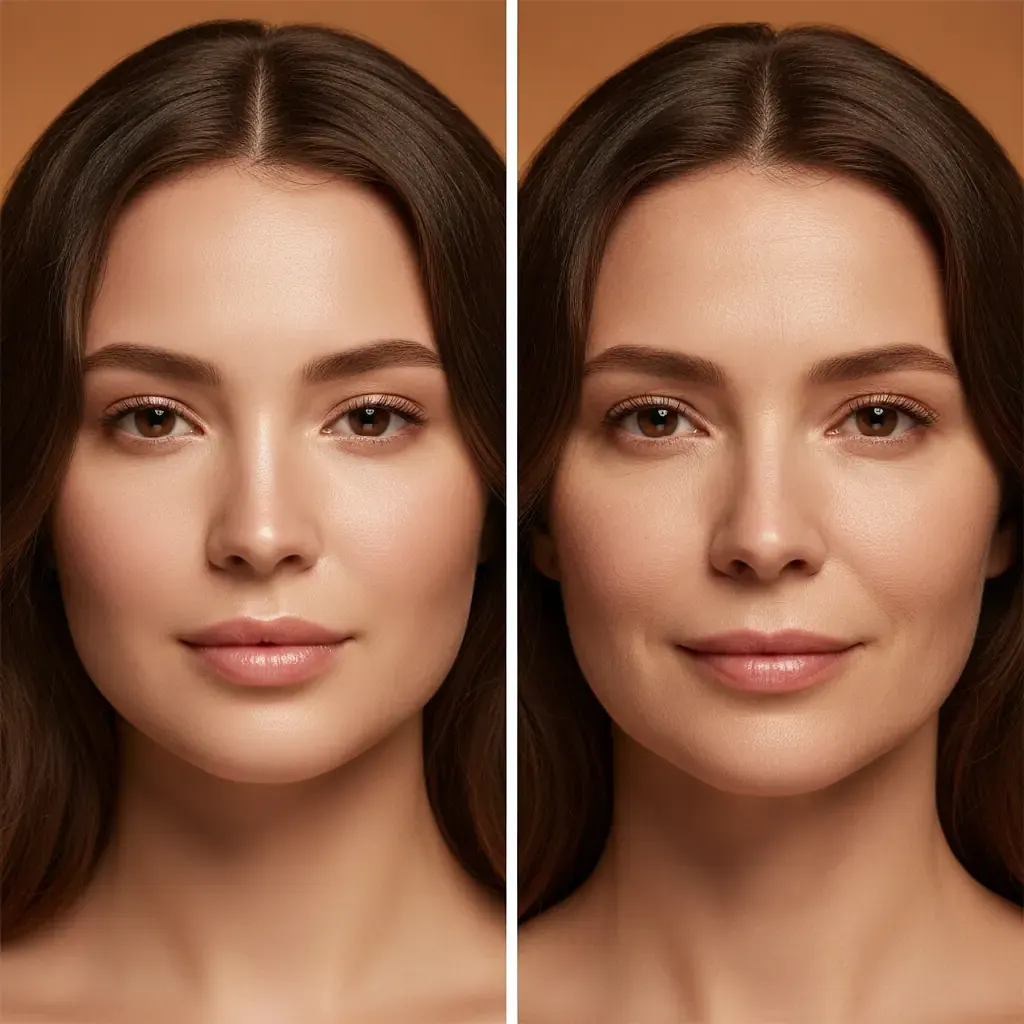
Retinoids — the gold standard. Vitamin A derivatives increase
collagen production by directly activating fibroblasts and also slow the enzymes that break collagen down. They are the most clinically validated topical ingredient for collagen support available without a needle.
Vitamin C serums, when properly formulated (stabilized, at the right pH, and in concentrations of 10-20%), provide both antioxidant protection and direct stimulation of collagen synthesis. Peptides are another category worth understanding — certain signal peptides essentially send a message to fibroblasts instructing them to produce more collagen.
Hyaluronic acid does not produce collagen on its own, but it creates the ideal environment for collagen production—when the skin is well-hydrated, collagen-producing fibroblasts function more efficiently. It is this synergy between ingredients that a specialized skin care clinic builds into its treatment protocols.
Collagen Stimulation Methods at Clinics
At-home treatments have clear limitations—and when you want real, fast results, in-clinic treatments are the logical choice. At the NewSkin Clinic hair and skin care center, we offer treatments that stimulate collagen at depths that at-home products simply cannot reach:
- Microneedling — tiny controlled punctures trigger the skin's wound-healing cascade, which results in a significant burst of new collagen synthesis in the treated area, improving texture and firmness over a series of sessions.
- Radiofrequency treatments — thermal energy is delivered deep into the dermis, heating collagen fibers to the point where they contract and then rebuild, producing a gradual tightening effect.
- Laser resurfacing — fractional lasers create microscopic zones of controlled damage that stimulate aggressive collagen remodeling; results are among the most dramatic available in a clinical setting.
- PRP therapy (Platelet-Rich Plasma) — a concentration of growth factors derived from the patient's own blood is injected into the skin, directly stimulating fibroblast activity and collagen production.
- Ultrasound therapy (HIFU) — high-intensity focused ultrasound reaches the deepest layers of skin and the superficial muscle layer, triggering collagen stimulation for skin at a depth that topical products cannot reach.
Frequently asked
What is the fastest way to stimulate collagen production in the skin? +
Clinic-based treatments deliver the fastest and most measurable results. Microneedling and radiofrequency treatments can trigger a significant collagen response within weeks, with full results visible after a few months as the new collagen matures. For home-based acceleration, combining a retinoid with a high-quality vitamin C serum and daily SPF creates the most effective non-invasive foundation for collagen stimulation for skin.
At what age does collagen production start to decline significantly? +
The gradual decline begins around age 25, but it remains subtle for most people through their late twenties. The most noticeable acceleration typically happens between 35 and 45, and another significant drop occurs around menopause for women due to the sharp reduction in estrogen, which plays a supporting role in collagen synthesis. Starting supportive skin care earlier means you are working with more collagen still in reserve.
Does NuSkin Clinic offer treatments specifically for collagen stimulation? +
Yes — NuSkin Clinic provides a full range of professional treatments through its skin and hair care service, specifically designed around restoring and stimulating collagen at a clinical level. From advanced laser protocols to PRP and radiofrequency sessions, their team assesses your skin individually and builds a treatment plan that targets the real cause of collagen loss rather than just the surface symptoms. Book a consultation to find out which approach suits your skin best.