
Causes of Under-Eye Wrinkles: Treatment and Prevention Methods
Discover the causes of wrinkles around the eyes, how to treat them based on their depth, the best medical procedures to eliminate them, and effective tips for prevention and minimizing their appearance.
26.10.2026
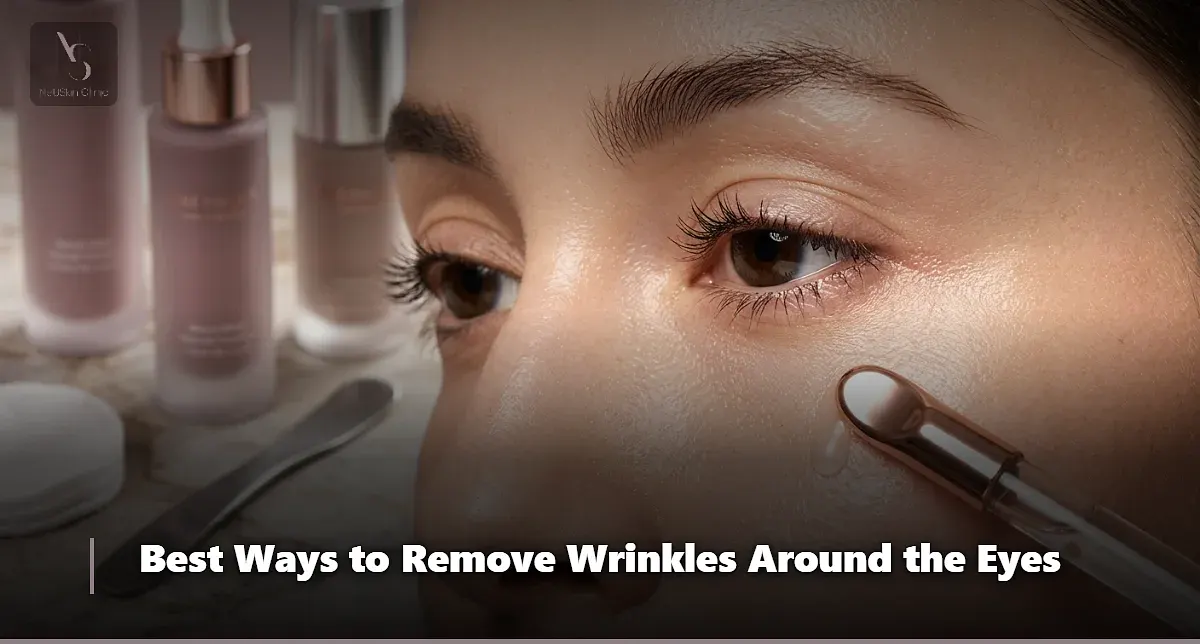
The skin beneath your eyes is the thinnest on your entire face — roughly four times thinner than the skin on your cheeks. That single fact explains almost everything about the causes of under-eye wrinkles and why this area shows signs of aging faster than anywhere else. Understanding what drives those fine lines is the first step toward actually dealing with them.
At NuSkin Clinic, a dedicated hair and skin care practice, the team sees clients in their twenties already worried about early-onset lines around the eyes. The good news is that with the right knowledge and approach, you can slow the process dramatically, and in many cases reverse visible damage. This guide covers everything — the science, the triggers, and the solutions.
What Are Under-Eye Wrinkles?
Under-eye wrinkles are creases, folds, or fine lines that form in the delicate skin sitting just below the lower eyelid and extending toward the upper cheekbone. They can range from barely-there surface lines that only show when you smile, all the way to deep, settled folds that are visible at rest. Most people notice them first as a slight crinkle at the outer corners of the eyes — what many call crow’s feet — before they migrate inward toward the nose.
What makes this zone particularly vulnerable is its anatomy. The skin here contains very few sebaceous (oil-producing) glands, which means it naturally lacks the moisture barrier that protects other areas of the face. Combine that with constant muscle movement from blinking, squinting, and expressing emotion, and you have a recipe for early wrinkling. Solving the under-eye wrinkle problem starts with respecting just how structurally unique this skin really is.
The Difference Between Fine Lines and Deep Wrinkles
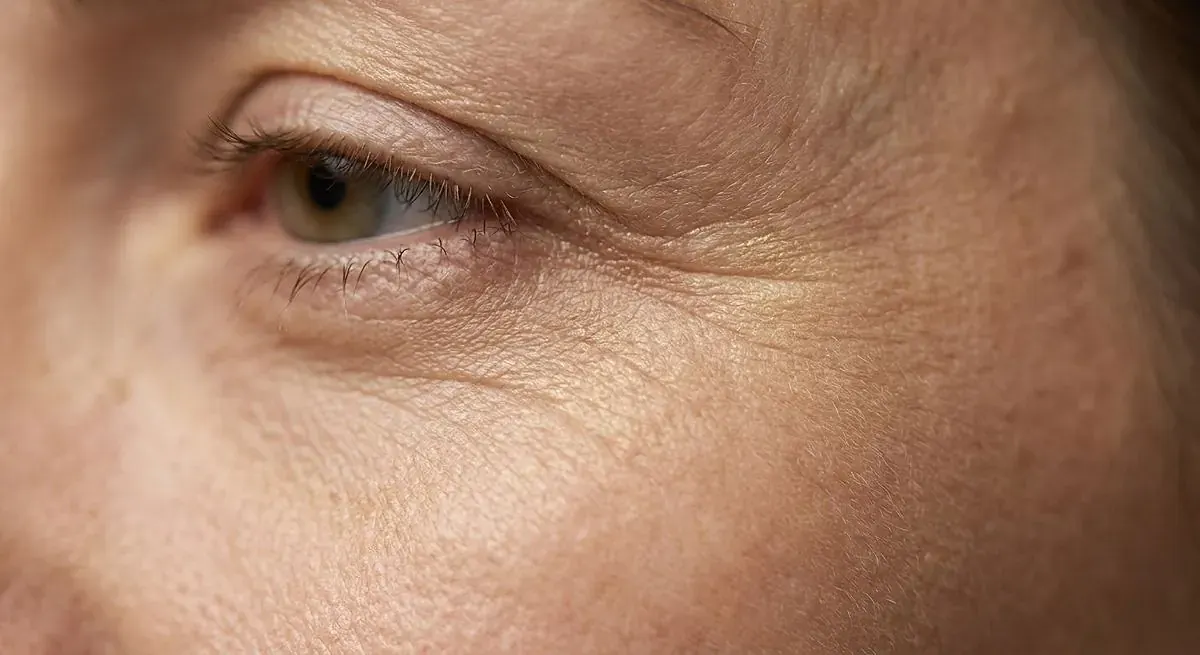
Not every crease you see under your eye is the same, and that distinction actually matters for treatment. Fine lines are shallow, surface-level marks that typically appear when the face is in motion — laughing, squinting, or frowning — and partially disappear when the face is relaxed. They live in the uppermost layers of skin and respond well to topical care, good hydration, and consistent skin care methods.
Deep wrinkles, on the other hand, are structural. They form when collagen and elastin in the deeper dermis have broken down significantly, leaving the skin without its scaffolding. These lines are visible even when your face is completely still, and they often have a shadow or groove quality to them. Treating deep wrinkles requires more targeted intervention — stimulating collagen in the skin through professional treatments rather than creams alone. Knowing which type you’re dealing with shapes every decision you make about care.
Why Do Under-Eye Wrinkles Appear Early?
Here’s the thing most people don’t realize: wrinkles under the eyes often arrive years before wrinkles form anywhere else on the face. It is not simply a matter of age. The under-eye area is in near-constant motion — the average person blinks roughly 15,000 times a day. Each blink creates a tiny mechanical stress on tissue that is already thin and under-hydrated. Over time, that repetitive motion etches lines into the skin the same way folding paper in the same spot eventually creates a permanent crease.
Beyond movement, this area is prone to fluid retention and swelling, which stretches the skin repeatedly. Each cycle of swelling and deflating contributes to gradual laxity. Most people overlook the connection between poor sleep, salt-heavy diets, and that puffy-then-deflated morning cycle — but it is one of the underappreciated causes of under-eye wrinkles. The skin is telling you something about your lifestyle, and it is worth listening.
When Do Under-Eye Wrinkles Start to Appear?
Genetically, some people begin seeing faint lines under their eyes as early as their mid-twenties. For others, the first signs don’t show until the mid-thirties. The timing depends on a combination of genetics, skin type, sun exposure history, and daily habits. People with naturally drier skin types — a topic the experts at NuSkin Clinic’s hair and skin care practice discuss in depth — tend to see earlier onset because dry skin loses elasticity faster.
By the early forties, most people have some degree of permanent under-eye lines regardless of skin type, unless they have been consistent with preventive care. The key insight here is that the best time to start caring for this area is before the lines appear, not after. Waiting until wrinkles are deeply set means working harder to achieve smaller results.

Causes of Under-Eye Wrinkles
- Loss of collagen and elastin with age — the skin’s structural proteins naturally decline from the mid-twenties onward, reducing the skin’s ability to snap back after movement.
- Chronic sun exposure — UV radiation breaks down collagen fibers and triggers oxidative stress, making sun damage one of the primary causes of under-eye wrinkles in people of all ages.
- Dehydration — when the body and skin lack adequate moisture, fine lines become far more pronounced; the under-eye area amplifies this effect because of its already limited oil production.
- Repetitive facial expressions — squinting, smiling, and frowning all create repeated stress along the same skin folds, eventually making those folds permanent.
- Poor sleep quality — during deep sleep, the body produces growth hormone and repairs skin cells; chronic sleep deprivation interrupts this cycle and accelerates visible aging.
- Nutritional deficiencies — low levels of vitamins C, E, and A impair collagen synthesis and skin repair, showing up first in the most delicate facial zones.
- Smoking — tobacco restricts blood flow to skin cells, starves them of oxygen, and generates free radicals that accelerate the breakdown of collagen specifically around the eyes and mouth.
- Rubbing the eyes — habitual eye rubbing stretches and traumatizes thin skin repeatedly, contributing directly to early laxity and wrinkling.
Factors That Worsen Under-Eye Wrinkles
- Using harsh or drying skincare products near the eye area, including those with alcohol or strong acids not formulated for sensitive zones
- Sleeping face-down or on your side, which presses the under-eye skin against a pillow for hours and leaves compression lines that deepen over time
- High sugar intake, which causes glycation — a process where sugar molecules attach to collagen fibers and make them stiff and brittle
- Skipping SPF, even on cloudy days or indoors near windows, since UV-A rays penetrate glass and continue degrading skin collagen silently
- Neglecting body fat areas and overall metabolic health — significant weight fluctuations cause the face to lose and regain volume repeatedly, stretching under-eye skin
- Ignoring acne marks and inflammatory skin conditions elsewhere on the face that indicate systemic inflammation, which also accelerates collagen loss around the eyes
- Using the wrong eye cream formula for your skin type — a mismatch between product and skin types and care needs can clog tiny pores or fail to deliver the hydration the area actually needs
The Difference Between Under-Eye Wrinkles and Dark Circles
These two concerns are often lumped together, but they are fundamentally different problems with different solutions. Both live in the same small patch of real estate under your eyes, which is why the confusion is understandable — but treating one when you have the other is a frustrating waste of time and money.
Causes of Dark Circles
Dark circles form primarily due to hyperpigmentation, vascular visibility, or structural shadowing. In people with olive or darker skin tones, excess melanin production under the eye is the main culprit, often triggered by sun exposure, hormonal changes, or how to get rid of acne marks and post-inflammatory pigmentation that has migrated toward the eye zone. In lighter skin tones, dark circles are more commonly caused by thin skin allowing the purplish blood vessels beneath to show through — a vascular issue rather than a pigment one. Structural shadows, caused by hollowing of the tear trough as facial fat redistributes with age, create a dark appearance that is neither pigment nor vascular in origin.
Causes of Under-Eye Wrinkles
The causes of under-eye wrinkles are mechanical and biological rather than pigment-based. They come from collagen degradation, loss of elasticity, repetitive muscle movement, and dehydration — none of which directly cause discoloration. A person can have severe wrinkling with zero dark circles, or significant dark circles with perfectly smooth skin. The structural causes are entirely different, which is why eliminating facial lines requires collagen-focused treatments while dark circles often need brightening agents, vascular lasers, or filler.
Can Wrinkles and Dark Circles Appear Together?
Absolutely — and in many adults over thirty-five, they do coexist. When both are present, the under-eye area looks simultaneously hollow, discolored, and creased, which creates an appearance of fatigue that no amount of sleep seems to fix. The best approach in these cases is a layered one: address hydration and texture with skin care methods aimed at stimulating collagen in the skin, while simultaneously targeting pigment or vascular issues through appropriate clinical treatments. NuSkin Clinic’s hair and skin care specialists regularly develop combined protocols for clients dealing with both issues simultaneously.
How to Prevent Under-Eye Wrinkles
Prevention is genuinely more powerful than treatment here, because the under-eye skin responds to consistent care over time much better than it responds to last-minute interventions. Start with the basics and stick with them. Apply a broad-spectrum SPF every single morning — this one habit alone reduces the rate of collagen breakdown more than almost any other step. Pair it with a gentle, hydrating eye cream that contains ingredients like hyaluronic acid, peptides, or niacinamide, which support the skin barrier without irritating delicate tissue.
Sleep position matters more than most people credit. Trying to sleep on your back reduces the nightly compression that side-sleeping creates on the under-eye area. Staying well-hydrated throughout the day, eating a diet rich in antioxidants, and protecting the skin from environmental stressors all contribute to keeping this zone resilient longer. Knowing your skin types and care requirements — whether you tend toward dryness, sensitivity, or oiliness — helps you choose products that actually work for your biology rather than against it.
Best Ways to Treat Under-Eye Wrinkles
For fine lines that are already visible, a consistent topical routine is the foundation. Retinol (vitamin A), even in low concentrations formulated for sensitive skin, is one of the most evidence-backed ingredients for stimulating collagen in the skin and speeding cell turnover. The fastest face exfoliation method that is safe for the eye zone tends to be gentle enzyme-based exfoliation rather than physical scrubs, which can traumatize thin skin. Vitamin C serums applied in the morning help neutralize free radical damage while brightening the overall appearance — addressing both texture and tone simultaneously.
For deeper wrinkles, topical products reach their ceiling relatively quickly. At this stage, the focus shifts to professional-grade treatments that work at the level of the dermis. These include radiofrequency, micro-needling, chemical peels calibrated for the eye zone, and injectable treatments. Hiding wrinkles with makeup can be effective short-term, but it does not address the underlying structural loss — which means the results are temporary and the problem continues to progress.
Treating Under-Eye Wrinkles at a Clinic
Professional clinical intervention makes a genuine difference, distinguishing those who see real results from those who remain trapped in an endless, unproductive cycle of trying various products. At the NeoSkin clinic, the process begins with a precise assessment of skin type, as well as the depth and underlying causes of any wrinkles. This is essential because what works for dry skin may not be suitable for oily skin; furthermore, the protocols for addressing acne-related marks and treating wrinkles differ significantly, even though both concerns affect the skin's overall appearance.
NuSkin Clinic, as a specialized hair and skin care center, offers individualized assessments that go beyond surface-level recommendations. The team evaluates skin type, depth of wrinkling, lifestyle factors, and overall skin health before recommending a protocol — because a treatment plan that ignores your specific biology is unlikely to deliver lasting results. Professional guidance is the difference between chasing trends and actually solving the problem.