The Best Permanent Treatment for Acne on Oily Skin
Discover the best treatment for acne-prone oily skin through a comprehensive guide that covers causes, daily routines, and how to select the right products—all under the supervision of experts at New Skin Clinics.
12.11.2026

If you've spent years chasing clear skin only to wake up to new breakouts every few days, you're far from alone. Finding the **best treatment for oily skin breakouts** is one of the most searched skincare concerns worldwide — and for good reason. Oily skin and persistent pimples tend to go hand in hand, and most quick-fix advice online barely scratches the surface of why that happens.
The good news is that with the right knowledge and consistent approach, oily skin can be genuinely managed. At New Skin Clinics, part of the dedicated Hair and Skin Care Center, the team works with clients every day to untangle the real causes behind stubborn breakouts and build routines that hold up long term. Understanding the science first makes all the difference.
What Are Oily Skin Breakouts?
Oily skin breakouts are not simply the result of having dirty skin or skipping a wash. They develop when the skin's sebaceous glands — the small glands sitting beneath each pore — produce more sebum than the skin can handle. That excess oil mixes with dead skin cells, and when the combination gets trapped inside a pore, a breakout forms. The process is biological, not a hygiene failure.
What makes oily skin particularly tricky is that it reacts to almost everything: stress, diet, hormonal shifts, humidity, even the wrong moisturizer. The skin barrier of someone with naturally oily skin is often more reactive than it appears, which means harsh treatments meant to dry things out can actually trigger more oil production as a defense response. That's the frustrating cycle most people find themselves stuck in.
Learn about: Skin Types and Care
The Types of Breakouts That Appear on Oily Skin
Not all pimples are the same, and it’s very important to distinguish between them before choosing any treatment. They include:
- Blackheads, also known as “open comedones,” appear when oil accumulated in the pore oxidizes upon contact with air, causing it to turn black. This has nothing to do with facial dirt, as many people believe.
- Whiteheads, on the other hand, are closed blockages that do not come into contact with air, so they remain white beneath the skin’s surface. When bacteria invade and cause inflammation, the blemish turns into a painful red pimple or even a cyst under the skin. In fact, oily skin is more prone to all three types at once, which makes treatment more complex and requires a more personalized approach.
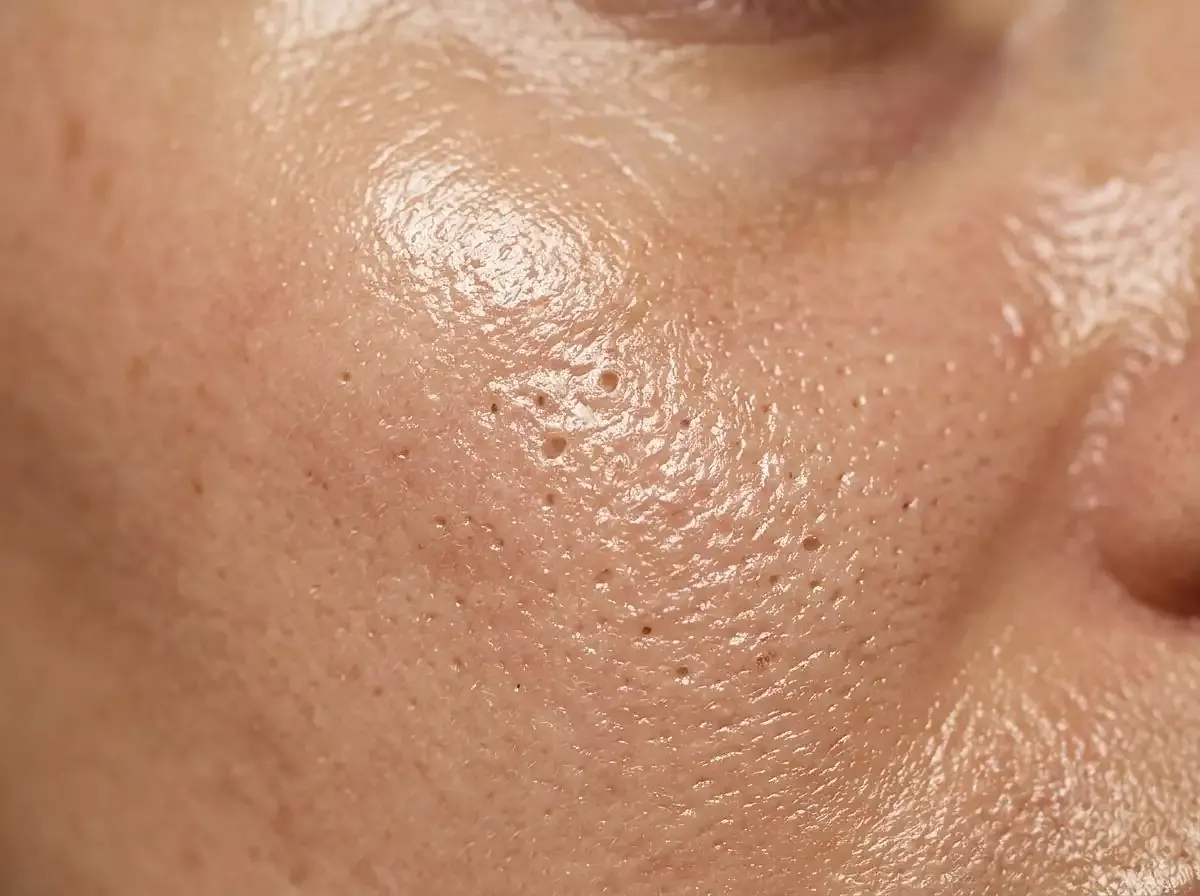
The Causes of Oily Skin Breakouts
- Increased Sebum Production
Oily skin produces more sebum, and as sebum production increases, it can build up inside the pores.
- Clogged Pores
When excess sebum mixes with dead skin cells, it can clog hair follicles and lead to blackheads and whiteheads, which may develop into inflamed pimples.
- Hormonal Changes
Elevated levels of androgens can stimulate the sebaceous glands to produce more sebum, so pimples may appear or worsen during puberty or with certain hormonal changes.
- Bacteria and Inflammation
When pores become clogged, acne-associated bacteria can multiply inside the follicles, contributing to inflammation and the formation of pimples.
- Use of Products Unsuitable for Oily Skin
Certain cosmetics or skincare products that clog pores may exacerbate the problem, especially
if the skin is prone to acne.
- Stress
Stress is not the primary cause of acne, but it can worsen existing breakouts.
- Certain Medications and Hormonal Conditions
Certain medications or hormonal imbalances can cause or exacerbate acne.
Learn about: The causes of facial peeling and dryness, and how to treat them
The Link Between Excess Sebum Production and Clogged Pores
Here's the thing most people don't fully appreciate: sebum itself is not the enemy. It's a natural substance that keeps skin lubricated, protects the moisture barrier, and even has mild antimicrobial properties. The problem begins when too much of it accumulates faster than the skin can shed its dead cells. Dead skin cells naturally slough off the surface every day, but when sebum production is high, those cells can stick together and clog the pore entrance rather than falling away cleanly.
Once a pore is blocked, it becomes an oxygen-deprived environment exactly the kind that the bacteria *Cutibacterium acnes* (formerly known as *P. acnes*) thrives in. The bacteria feed on the trapped sebum, multiply rapidly, and the immune system responds with inflammation, producing the red, swollen blemishes most people associate with acne. Understanding this chain reaction excess sebum, blocked pore, bacterial overgrowth, inflammation — is the foundation for choosing treatments that actually interrupt it.

The Best Treatment for Oily Skin Breakouts
The best treatment for acne on oily skin isn’t a single product or a single step, but rather a comprehensive approach that works on multiple levels simultaneously. At the topical level, the most scientifically proven active ingredients include:
- salicylic acid, which dissolves oil inside the pores and cleanses them from the inside out; azelaic acid, which reduces inflammation and treats the effects of acne simultaneously;
- and retinoids, which accelerate cell turnover and prevent the formation of clogs at their source.
- In terms of medical procedures, techniques such as chemical peels, lasers, and blue light therapy deliver deeper results than any at-home product can achieve.
At the Skin and Hair Care Center at New Skin Clinics, specialists evaluate each case individually to determine which of these procedures is most suitable, as what works for one person may not work for another due to genetic and hormonal differences.
Would you like to know about methods for stimulating collagen in the skin and their benefits?
The Best Skincare Routine for Oily, Breakout-Prone Skin
- A practical routine doesn't need to be complicated, but it does need to be consistent. In the morning, a gentle foaming or gel-based cleanser removes overnight sebum without stripping the skin. Following with a lightweight, oil-free moisturizer — yes, even oily skin needs hydration — and a broad-spectrum sunscreen completes the daytime step. Skipping moisturizer because skin feels oily is one of the most counterproductive habits people fall into; dehydrated skin compensates by producing even more oil.
- In the evening, double cleansing can be genuinely useful if you wear sunscreen or makeup — an oil-based cleanser first to dissolve surface products, followed by the gel cleanser. A salicylic acid toner or serum applied after cleansing targets the pore interior, and a retinoid two to three nights per week (building up gradually) addresses both cell turnover and sebum regulation over time. The specialists at **New Skin Clinics** often tailor these evening steps based on individual skin assessments, since the right concentration of actives varies significantly from person to person.
How to Choose Products That Won't Clog Your Pores
The term "non-comedogenic" appears on a huge number of product labels, but it's worth understanding what it actually means. A non-comedogenic product has been formulated to avoid ingredients with a high likelihood of clogging pores. However, the term isn't regulated, so not every product that carries the label has been rigorously tested. Learning to read ingredient lists matters more than trusting the front of the packaging.
Ingredients to approach with caution on oily, breakout-prone skin include heavy oils like coconut oil, cocoa butter, and certain silicones that sit on the surface and trap debris. Lighter alternatives niacinamide-based serums, hyaluronic acid for hydration, zinc-based formulas for sebum control tend to work far better. The **Hair and Skin Care Center** at **New Skin Clinics** frequently helps clients audit their current product lineup, since a single heavily occlusive product in an otherwise careful routine can sabotage every other effort being made.
Oily skin breakouts are manageable, and they respond well to approaches rooted in real understanding of how skin works rather than generic advice. The **best treatment for oily skin breakouts** combines smart ingredient choices, a consistent daily routine, and professional guidance when the situation calls for it. If you've been going in circles with products that don't deliver, reaching out to New Skin Clinics and the Hair and Skin Care Center is a practical next step — the team offers personalized skin assessments designed to give you a clear, honest path forward.
Sources and References:
Frequently asked
Can Oily Skin Breakouts Be Permanently Cured? +
The honest answer is that "cure" is rarely the right word when it comes to oily skin. For most people, the tendency toward increased sebum production is genetic or hormonally driven, which means it's a long-term management situation rather than something that resolves permanently. That said, many people find that their skin becomes significantly easier to manage in their late twenties and thirties as hormone levels stabilize. With a consistent routine and periodic professional support, breakouts can be kept to a minimum for long stretches, and the skin can look genuinely clear and healthy the vast majority of the time.
How Long Does It Take to See Results From an Oily Skin Treatment Routine? +
Skin cell turnover takes roughly 28 days on average, which means any new product or routine needs at least four to six weeks before you can fairly judge whether it's working. Many people abandon an approach after two weeks and miss out on real improvement that was just around the corner. The **best treatment for oily skin breakouts** requires patience — some ingredients, particularly retinoids, go through an initial adjustment phase where breakouts may temporarily increase before the skin adapts and improves. Sticking with a well-designed plan, ideally guided by professionals at **New Skin Clinics**, makes that adjustment period much easier to navigate.
Is It Safe to Use Exfoliants Daily on Oily, Breakout-Prone Skin? +
Most people with oily skin assume more exfoliation equals cleaner pores — but daily use of chemical or physical exfoliants can disrupt the skin barrier and trigger rebound oiliness. Two to three times per week is a safer starting frequency for most people. Listening to how the skin responds — if it feels tight, sensitive, or looks more irritated — is a clear signal to pull back.