
the best way to remove wrinkles around the eyes
Learn about the causes of premature wrinkles around the eyes, the difference between expression lines and static wrinkles, the best medical treatment options based on the depth of the wrinkles, and effective tips for preventing them.
27.10.2026
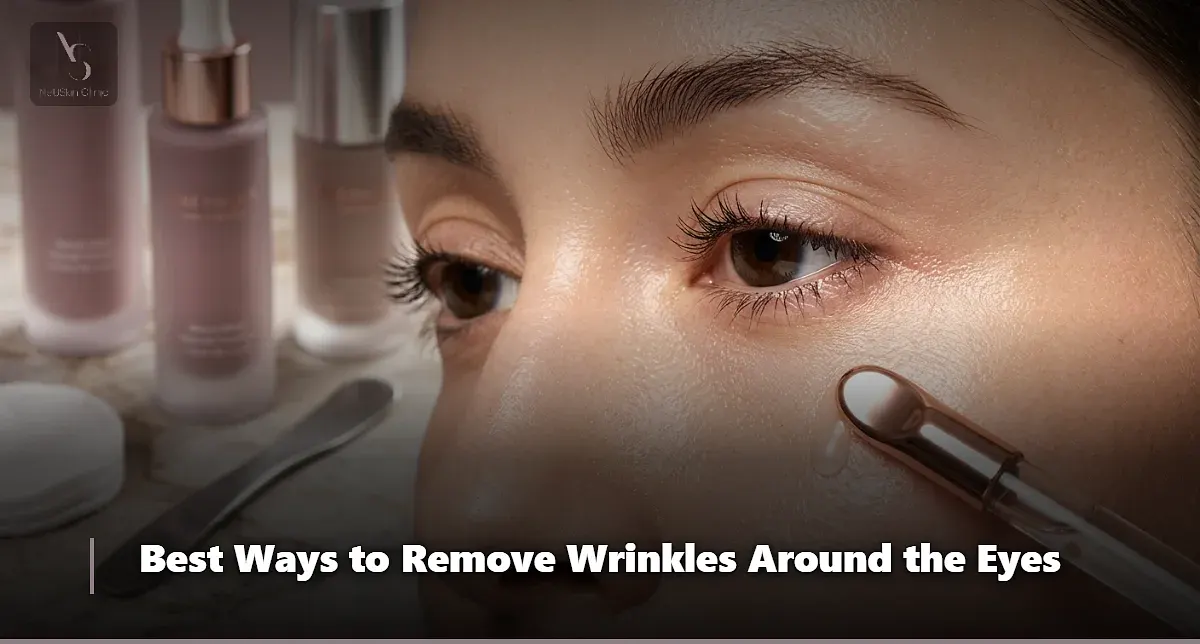
Few skin concerns cause as much frustration as the fine lines that settle around the eyes. The best way to remove wrinkles around the eyes is not a single magic solution — it is a layered approach that combines daily skin care, targeted treatments, and, when needed, professional medical intervention. Understanding what you are actually dealing with is the first step toward meaningful, lasting results.
At NuSkin Clinic, the team specializing in skin and hair care sees patients every week who have tried countless creams with little to show for it. The reason is almost always the same: the treatment did not match the cause. Getting this right requires knowing your skin, understanding the biology behind wrinkle formation, and choosing methods that are genuinely suited to your situation.
What Are Wrinkles Around the Eyes?
The skin surrounding the eyes is fundamentally different from the skin on the rest of your face. It is significantly thinner — roughly 40 percent thinner than the skin on your cheeks — and it contains far fewer oil glands. This means it has a reduced natural ability to retain moisture, making it one of the first areas on the face to show visible aging.
Wrinkles around the eyes fall into two broad categories: surface-level fine lines caused by dryness and early collagen loss, and deeper creases etched into the skin over time by repeated muscle movement, sun exposure, and structural tissue breakdown. Both types are real, but they respond to completely different treatments. Skin care clinics that specialize in getting rid of facial wrinkles will always assess which type is present before recommending any course of action.
What's interesting here is that many people assume all eye wrinkles are the same. They are not. Crow's feet look different from under-eye creases, and both look different from the fine crepey texture that develops when the skin loses its elasticity over years of sun damage.
Causes of Wrinkles Appearing Around the Eyes
- Natural aging and the gradual decline of collagen and elastin production in the skin, which begins earlier than most people expect — often in the late twenties.
- Chronic sun exposure without adequate UV protection, which accelerates the breakdown of collagen in the skin and is one of the leading causes of under-eye wrinkles in people who spend time outdoors.
- Repetitive facial expressions such as squinting, smiling, and frowning, which repeatedly fold the skin in the same places until those folds become permanent.
- Dehydration and inadequate moisture — both internal (not drinking enough water) and external (skipping a proper moisturizer) — which make fine lines appear far more pronounced than they actually are.
- Smoking, which restricts blood flow to the skin and significantly accelerates visible aging around the delicate eye area.
- Poor sleep habits and chronic stress, both of which elevate cortisol and break down skin structure from the inside out.
- Rubbing the eyes aggressively, which most people do without thinking — this repeated mechanical stress on the thinnest skin on the face creates micro-damage that accumulates over time.
The Difference Between Expression Lines and Fixed Wrinkles
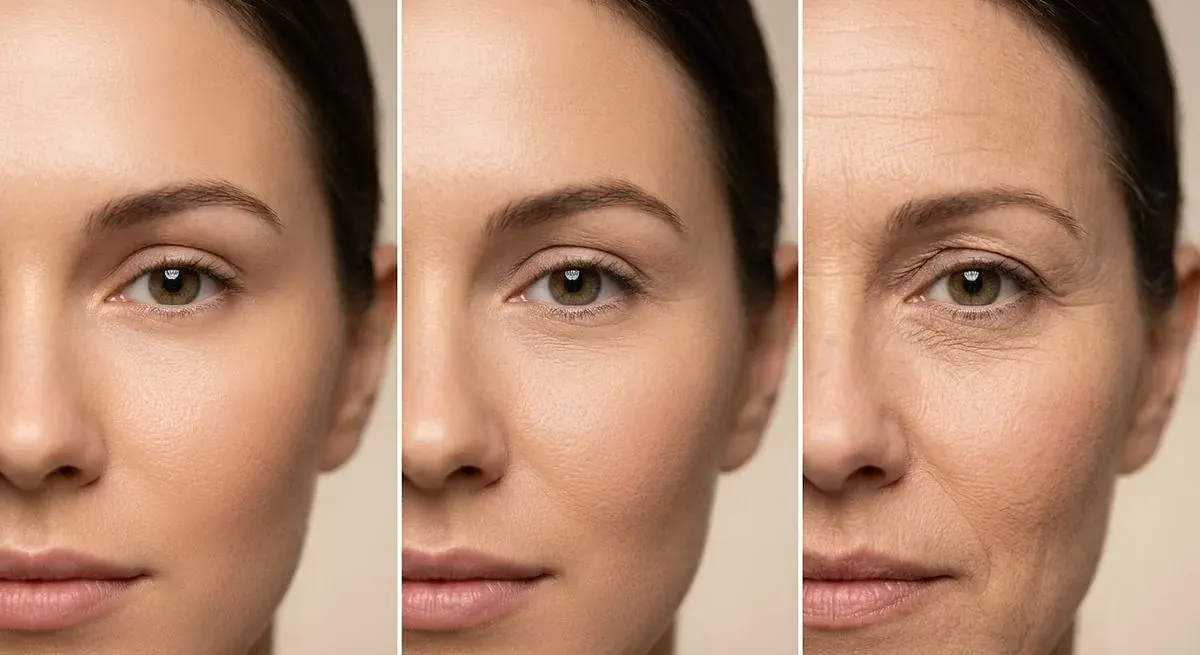
Here is a distinction that most people genuinely overlook, yet it changes everything about how you should approach treatment. Expression lines :
- sometimes called dynamic wrinkles only appear when your face is in motion. When you smile, you get crow's feet. When you squint, lines appear beneath the eyes. But the moment your face relaxes, those lines disappear. At this stage, the skin still has enough elasticity to spring back.
- Fixed wrinkles, on the other hand, are visible even when your face is completely at rest. These are the wrinkles that have become structural — etched into the skin because the collagen and elastin that once supported the skin's surface are no longer present in sufficient quantities. Treating expression lines is considerably easier and typically requires lighter interventions. Fixed wrinkles require deeper approaches, including stimulating collagen in the skin through professional treatments or medical procedures.
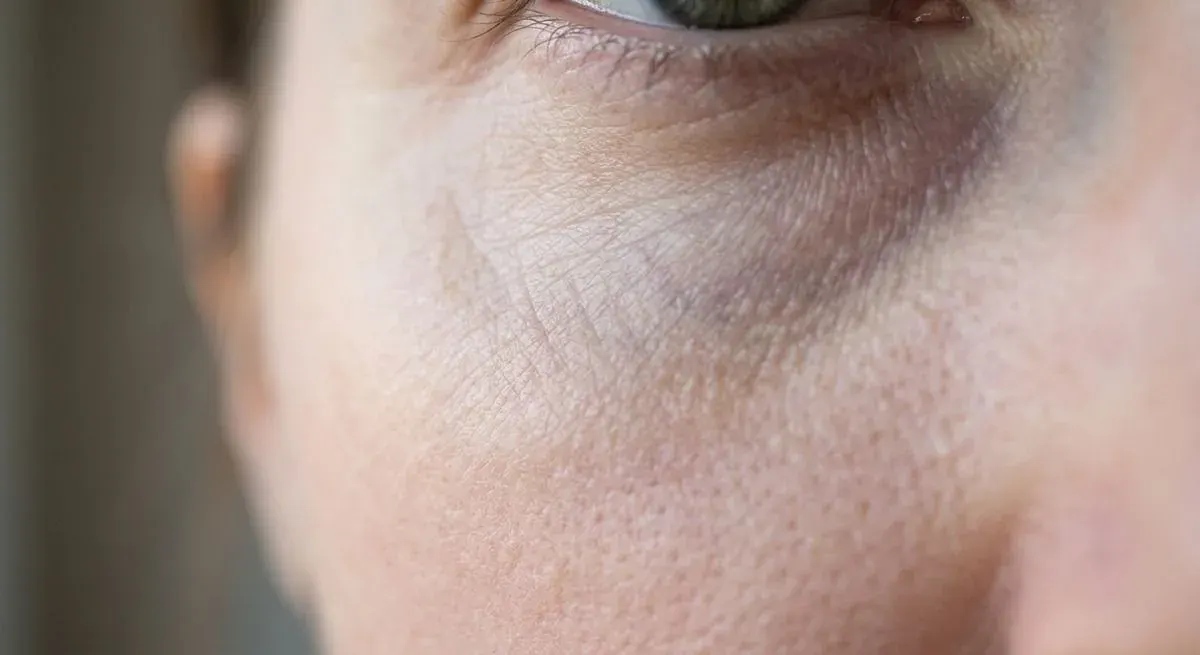
Why Do Wrinkles Around the Eyes Appear Early?
The biology is straightforward, even if the reality is frustrating. Collagen production in the body begins declining at roughly one percent per year starting in the mid-twenties. Around the eyes, where the skin is already thin and structurally vulnerable, this decline shows up visually before it appears anywhere else on the face.
Beyond biology, lifestyle plays an enormous role. People who sleep on their sides press their faces into pillows for hours every night, creating repeated mechanical compression in the same spots. Those who spend significant time outdoors without sunscreen are accumulating UV damage that compounds year after year. Digital screen use has also increased the frequency with which people squint, driving earlier formation of expression lines around the eyes.
Understanding the causes of under-eye wrinkles in your specific case matters because it points directly to which prevention and treatment strategies will actually work for you. Skin types and their care requirements vary considerably, and what works for one person may be largely ineffective for another.
The Best Way to Remove Wrinkles Around the Eyes
The best way to remove wrinkles around the eyes is not a single product or a single session in a clinic — it is a consistent, evidence-based routine built around your skin's specific needs. Topically, retinoids remain the gold standard. Derivatives of vitamin A, they work by accelerating cell turnover and stimulating collagen production, gradually smoothing fine lines over weeks and months of consistent use. Peptide-based eye creams can also be effective, particularly for early-stage lines where the skin still has reasonable elasticity.
Hydration is not optional in this area — it is foundational. A good hyaluronic acid serum applied before moisturizer can temporarily plump fine lines and make the skin look considerably more youthful within minutes. Over time, consistent moisture also supports the skin's barrier function, which is critical in reducing further collagen loss. The most important skin care methods always include daily SPF, and around the eyes this is especially non-negotiable.
Choosing the Right Treatment Based on Wrinkle Depth
Superficial lines — those that appear mainly with expression and fade at rest — respond well to topical retinoids, regular hydration, and gentle exfoliation. Adding a vitamin C serum in the morning helps protect against further UV damage while supporting collagen synthesis. These approaches, when followed consistently, can produce meaningful improvement in three to six months.
Deeper, fixed wrinkles require a different conversation. At this level, topical products can maintain and mildly improve, but they rarely reverse significant structural changes on their own. This is where professional treatments become genuinely valuable — not as a luxury, but as a clinical necessity. Reducing wrinkles around the eyes at this stage typically means combining home care with in-clinic procedures delivered by experienced practitioners.
The Best Medical Procedures for Treating Wrinkles Around the Eyes
Medical aesthetics has advanced considerably, and the options available today are both more effective and more nuanced than they were a decade ago. Botulinum toxin injections remain one of the most widely used treatments for crow's feet and expression-related wrinkles. By temporarily relaxing the muscles responsible for repetitive folding, the skin is given a chance to smooth out — and with consistent treatment over time, the wrinkles become less deep even when the treatment wears off.
Laser resurfacing treatments, particularly fractional laser technology, work by creating controlled micro-injuries in the skin that trigger the body's natural wound-healing response, stimulating collagen in the skin as part of that process. The results can be significant for both surface texture and deeper lines. Radiofrequency treatments and microneedling are also popular options, each working through slightly different mechanisms but sharing the same core goal: rebuilding the skin's structural foundation from beneath the surface. Minimizing enlarged pores on the face is often a welcome side effect of these procedures as well.
How to Choose the Right Eye Wrinkle Treatment for Your Case
The single most important factor is working with someone who will honestly assess where you are — not just sell you the most expensive option available. A good practitioner looks at your skin type, the depth of your wrinkles, your lifestyle factors, and your realistic goals before recommending anything. Full body skin cleansing and general skin health also factor in, because the condition of your skin overall affects how well the eye area responds to treatment.
At NuSkin Clinic, the skin and hair care specialists take this assessment process seriously. Every patient is different, and a treatment plan that delivers real results for one person may be entirely wrong for another. The goal is always a result that looks natural, lasts well, and supports the skin's long-term health — not a quick fix that fades in six weeks.
Can Wrinkles Around the Eyes Be Removed Permanently?
Honestly — not entirely, no. Aging is a biological process, and no treatment currently available can freeze it in place forever. What is absolutely possible, however, is dramatic improvement. Consistent professional treatment combined with excellent daily skin care can reduce wrinkles to the point where they are barely visible, and regular maintenance can sustain those results for years. The realistic goal is not permanent erasure — it is ongoing management that keeps your skin looking its best at every stage.
The patients who achieve the best long-term outcomes are those who treat their skin care routine as seriously as any other health habit. They protect their skin from the sun every day, they stay consistent with their clinic appointments, and they adjust their approach as their skin changes over time.
Reasons for Increased Wrinkles Around the Eyes
- Skipping sunscreen around the eyes because standard facial SPF feels irritating — this leaves the most vulnerable area of the face completely unprotected.
- Using harsh cleansers or rubbing the eye area with a towel, which accelerates mechanical breakdown of the already thin skin.
- Not using any targeted eye treatment — expecting a general face moisturizer to address the unique needs of the eye area is a common and costly mistake.
- Crash dieting and significant weight fluctuations, which stretch and then loosen the skin around the eyes repeatedly.
- Sleeping without adequate eye support — side sleeping in particular compresses the facial skin for six to eight hours nightly.
- Ignoring diet — low protein intake reduces the body's ability to synthesize collagen, while excess sugar actively degrades existing collagen through a process called glycation.
Discover how to: Restore vitality and radiance to your skin
Tips for Preventing Wrinkles Around the Eyes
- Apply a broad-spectrum SPF 30 or higher every morning, including a formulation specifically designed not to irritate the eyes.
- Use a dedicated eye cream with retinol or peptides every night — the eye area has different needs from the rest of the face and deserves its own product.
- Wear quality UV-blocking sunglasses outdoors to reduce squinting, one of the primary drivers of crow's feet.
- Sleep on your back when possible, or use a silk pillowcase to minimize the friction and compression that side sleeping creates.
- Drink enough water daily — internal hydration directly affects the plumpness and resilience of the skin around the eyes.
- Never rub your eyes; pat gently if needed, and always use a soft, damp cloth for makeup removal.
- Schedule regular consultations at a skin care clinic to track changes and adjust your treatment approach before wrinkles deepen further.
Frequently asked
Can Wrinkles Around the Eyes Be Removed Permanently? +
Permanent removal is not currently possible because aging is an ongoing biological process. That said, the right combination of professional treatments and consistent daily skin care can reduce wrinkles dramatically and maintain those improvements long-term. Most patients who work with experienced practitioners at a dedicated skin care clinic find that their wrinkles become significantly less noticeable and can be kept that way with regular maintenance.
What Is the Most Effective Medical Procedure for Eye Wrinkles? +
There is no single universal answer — effectiveness depends on the type and depth of wrinkles. For expression-related crow's feet, botulinum toxin injections are often the most efficient solution. For deeper, fixed wrinkles or skin texture issues, laser resurfacing or radiofrequency treatments that stimulate collagen in the skin tend to produce the most significant and lasting improvements. A specialist will assess your skin and recommend what genuinely fits your situation.
At What Age Should I Start Treating Wrinkles Around the Eyes? +
The best way to remove wrinkles around the eyes is to start before they become deeply set. Preventive care — daily SPF, a good eye cream, and regular clinic visits — can begin in the mid-twenties. This is not about treating something that does not yet exist; it is about slowing the process before it becomes harder to manage. Early attention to the correct steps for skin care around the eyes pays dividends for decades.