How to Minimize Pores: A Comprehensive Guide for All Skin Types
Learn how to close and tighten facial pores based on your skin type, using the best at-home methods and clinical treatments available at New Skin clinics for smoother skin.
15.11.2026
Knowing how to minimize facial pores is one of the most common — and honestly most misunderstood — goals in skincare. Pores are a permanent part of your skin's anatomy, and no cream is going to make them vanish. What you can do, though, is significantly reduce how visible they are and keep them functioning cleanly.
At New Skin Clinics, the hair and skin care center team works with clients every day who feel frustrated by pores that seem to grow more noticeable over time. Understanding why that happens is actually the first step toward fixing it.
Can Facial Pores Actually Be Closed Permanently?
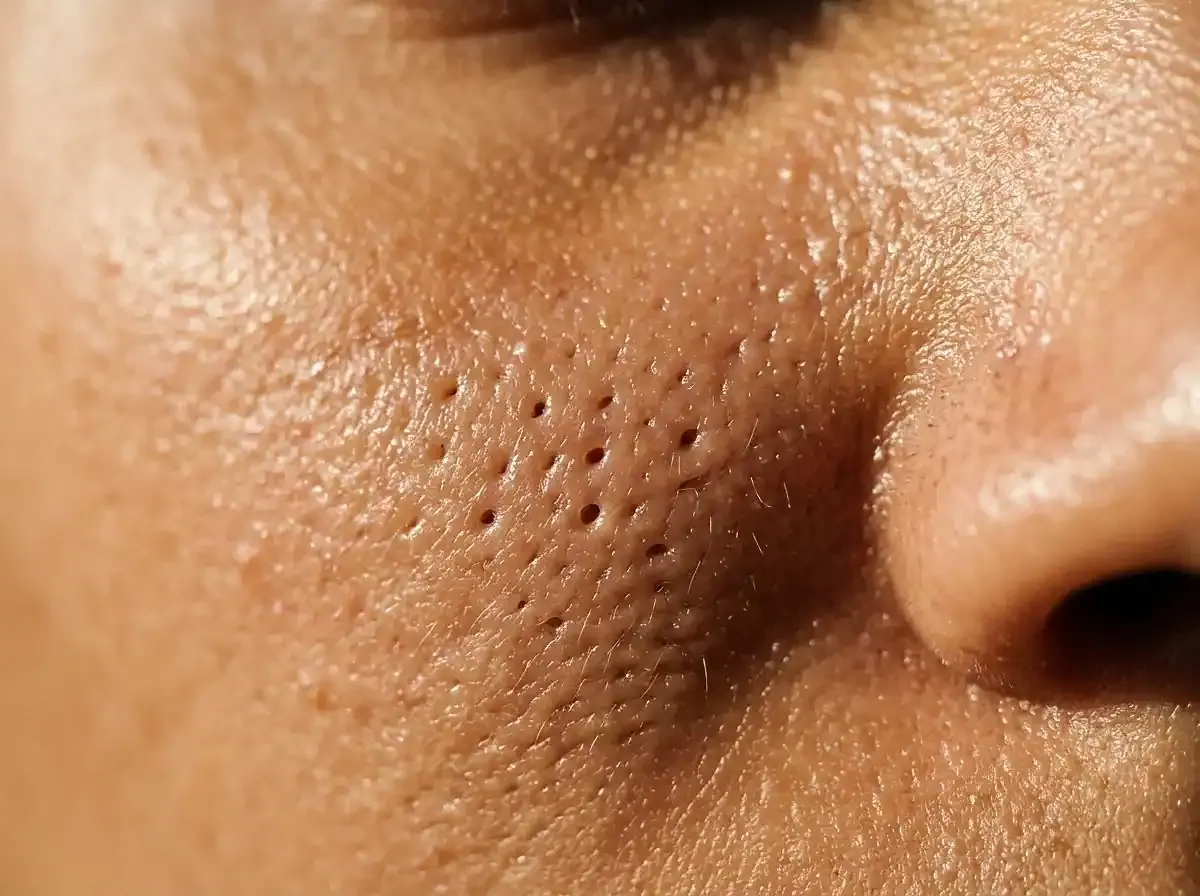
Here's the thing most people don't realize: pores don't open and close like tiny doors. They are follicular openings in the skin, each one connected to a sebaceous gland that produces oil. Their size is largely determined by genetics, skin type, and the buildup inside them. When a pore is stretched by excess sebum or debris, it stays that way until the contents are cleared and the surrounding skin regains its elasticity.
So when people ask how to minimize facial pores for good, the honest answer is that the goal isn't closure — it's consistent management. Keeping pores clean, supporting skin collagen, and controlling oil production all contribute to pores appearing significantly smaller. The results are real, even if the biology is a bit more nuanced than a closed versus open toggle.
Causes of Enlarged Facial Pores
- Excessive oil production: One of the most common factors associated with visible pores, especially in people with oily skin.
- Clogged pores: The buildup of sebum and dead skin cells inside the pores can make them appear larger.
- Loss of skin elasticity with age: A decrease in collagen and skin elasticity can make pores more visible.
- Repeated sun exposure: UV rays can affect collagen and skin elasticity, making pores appear larger.
- Genetic factors: The natural size of pores varies from person to person, and their visibility may be linked to genetics.
- Hormonal changes: Hormones can affect the activity of the sebaceous glands and, consequently, the amount of sebum and the visibility of pores.
- Picking at pores or squeezing blackheads: This can lead to inflammation and skin irritation, making pores appear more visible.
Learn how to get rid of acne marks
The Difference Between Enlarged Pores and Clogged Pores
People often overlook a fundamental difference: enlarged pores and clogged pores are two completely different problems, even though they sometimes overlap.
- Enlarged pores are naturally large or result from a loss of skin elasticity, and air passes through them freely.
- Clogged pores, on the other hand, are of normal size but are surrounded or blocked by oil and dead skin cells, which form blackheads and whiteheads.
Treatment varies depending on this distinction. Reducing the appearance of enlarged pores requires stimulating collagen production and strengthening skin tissue, while clearing clogged pores requires gentle exfoliation and deep cleansing. Confusing the two conditions leads to disappointing results.
Treating Facial Pores by Skin Type
The treatment for facial pores varies depending on skin type and the cause of their appearance, so there is no one-size-fits-all solution.
Treating Pores in Oily Skin
Oily skin is the skin type most prone to enlarged pores, and the reason is clear: excess sebum production causes buildup inside the pores and constantly stretches them. Reducing pore size in this case begins with controlling this secretion using a gentle cleanser containing salicylic acid, which dissolves the oil inside the pores and cleanses them from the inside.
Oily skin responds well to niacinamide, which has been proven effective at regulating sebum production and visibly minimizing pores with regular use over several weeks. Moisturizing is not optional, even for oily skin—skipping moisturizer prompts the skin to overcompensate by producing more oil, which exacerbates the problem rather than solving it.
Pore Care for Combination Skin
Combination skin requires a different approach because its different areas are not uniform. The T-zone tends to be oily with enlarged pores, while the cheeks may be dry or normal. The logical solution here is to use targeted products rather than a one-size-fits-all approach for the entire face.
Sebum-regulating products can be applied only to the T-zone, while a light moisturizer is used on the rest of the face. A mild chemical peel once or twice a week helps even out the skin’s appearance and reduce the buildup of dead skin cells, particularly in oily areas.
Learn about: Causes of under-eye wrinkles
Pore Treatment for Dry Skin
Dry skin suffers from enlarged pores for a different reason—not excess oil, but a lack of collagen and a loss of deep hydration, which allows the skin to maintain its firm structure around the pores. In fact, many people overlook the fact that dry skin can also suffer from this problem because they always associate it with oiliness.
The focus here should be on ingredients
Sensitive skin requires the most careful approach. Many active ingredients that effectively address pores — strong acids, high-dose retinoids — can cause significant irritation in sensitive skin types, ultimately worsening redness and making pores more noticeable.
Polyhydroxy acids (PHAs) are a gentler alternative to AHAs and work effectively at mild exfoliation without compromising the skin barrier. Centella asiatica and green tea extracts provide anti-inflammatory support while still improving overall skin texture. Patch testing anything new before full application is non-negotiable for this skin type.
You can also find out: the best way to remove wrinkles around the eyes
Methods for Reducing Facial Pores at Clinics
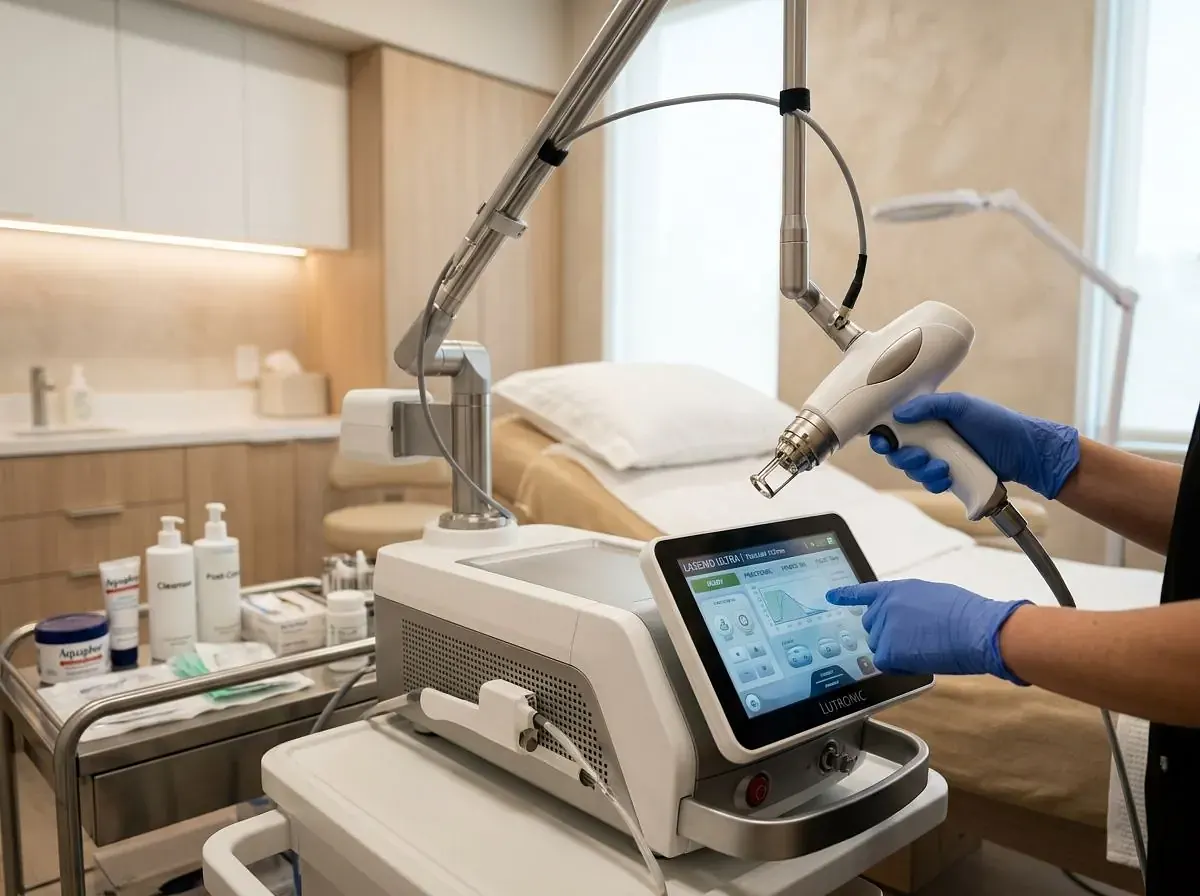
- Home remedies improve the appearance of pores but do not address the underlying causes. Specialized clinics have tools that are more capable of changing the actual structure of the skin, not just its surface appearance. New Skin Clinics at the Skin Care Center offer a variety of treatment options from which the doctor selects the one best suited to each patient’s condition.
- Chemical peels using concentrated acids renew the surface layer of the skin and stimulate collagen production in the deeper layers, which tightens the tissue around the pores and reduces their appearance. Microneedling works through a different mechanism—microscopic needles create small, controlled micro-injuries that activate the body’s response to produce collagen, resulting in smaller pores and denser skin texture.
- Therboxane laser is another type of treatment that targets the deep layers of the skin with controlled heat without damaging the surface; it is an effective option for enlarged pores associated with collagen loss due to aging. Plasma therapy replenishes the skin with growth factors from their natural source—the patient’s own blood—which renews the skin’s structure from within.
It’s important to note that these options aren’t interchangeable. Clinically-based methods for closing facial pores always begin with a thorough assessment of skin type, the degree of pore enlargement, and the patient’s medical history, after which the doctor develops an appropriate treatment plan.
Mistakes That Make Facial Pores More Pronounced
Have you ever considered that what you do every day to treat your pores might actually be the cause of your problem? This is indeed the case for many people. Excessive pore squeezing damages the surrounding tissue and enlarges the pores rather than closing them, and the resulting damage is often permanent.
Over-cleansing is another common mistake. Washing your face more than twice a day dries out the skin and stimulates the glands to compensate for the lost oils by producing even more, which enlarges the
Pores are something your skin genuinely needs — they are not a design flaw. But when they become visibly enlarged or persistently clogged, knowing how to minimize facial pores through the right combination of daily habits and professional care makes a real difference in how your skin looks and feels. The process takes consistency and a clear understanding of your specific skin type, but the results are absolutely achievable. If you are ready to move beyond trial and error, reach out to New Skin Clinics and speak with the skin care center team about a personalized plan built around your skin.
Frequently asked
Can facial pores be permanently closed? +
Pores cannot be permanently closed because they are fixed structures in the skin. What you can achieve with consistent skincare and professional treatments is a significant and lasting reduction in their visibility. The skin around pores can be made firmer, the debris inside them cleared, and sebum production brought under control — all of which combine to make pores dramatically less noticeable over time.
How often should I exfoliate to minimize pores? +
For most skin types, chemical exfoliation two to three times per week strikes the right balance. Over-exfoliating damages the skin barrier, leading to sensitivity and, paradoxically, more visible pores. Sensitive skin types may only tolerate once-weekly exfoliation. The key is consistency over intensity — mild regular exfoliation consistently outperforms aggressive occasional sessions.
What in-clinic treatments work best for large pores? +
Microneedling, fractional laser, and TCA chemical peels consistently deliver the strongest results for structurally enlarged pores. Understanding how to minimize facial pores at a clinical level involves stimulating collagen remodeling, which these treatments achieve directly. The team at New Skin Clinics assesses each client individually to determine which combination of treatments will produce the best outcome for their specific skin type and pore concern.